GFRP Rebar Development Length and Lap Splices: Why Anchorage Design Matters
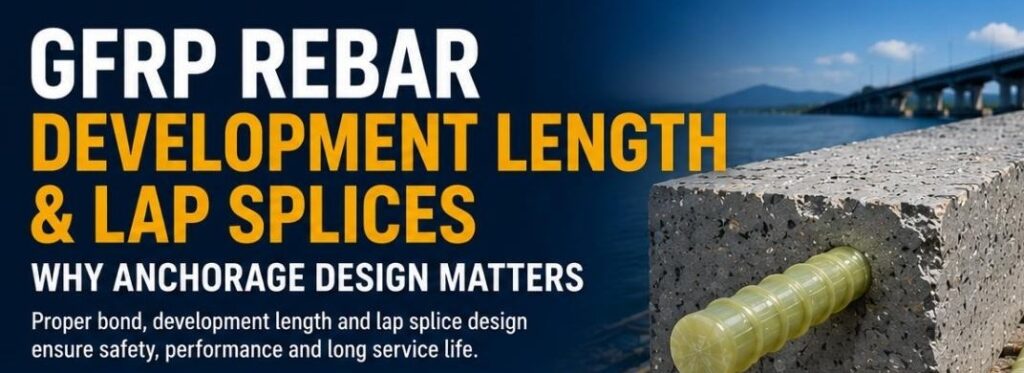
GFRP rebar development length is the embedded length of a GFRP bar required to transfer tensile force from the bar into concrete without pullout, splitting or bond failure.
GFRP rebar bonds to concrete through a combination of mechanical interlock, surface friction and chemical adhesion between the bar surface and the surrounding concrete.
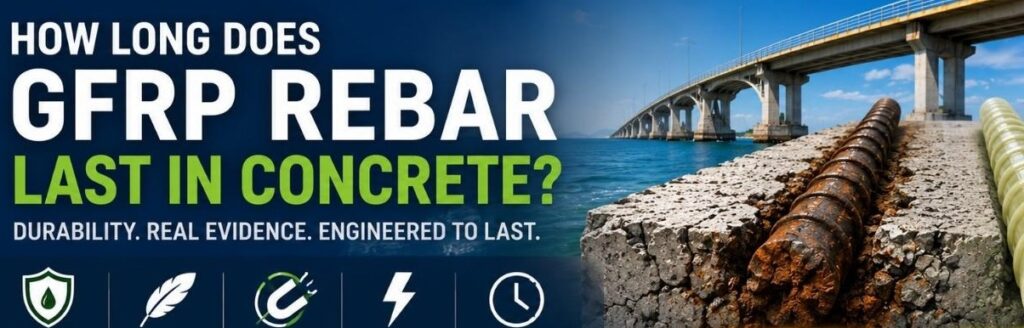
High-quality GFRP rebar can last for decades in concrete when it is properly manufactured, correctly designed and used in suitable applications.
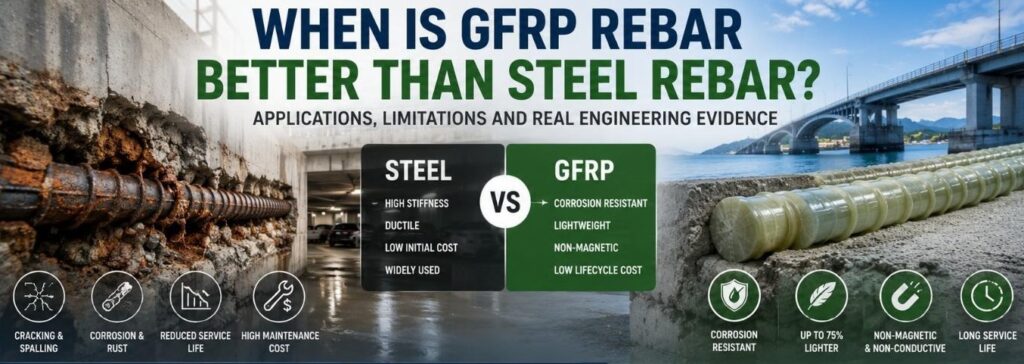
GFRP rebar is usually better than steel rebar when corrosion resistance, low weight, non-magnetic behavior, electrical insulation or long service life are more important than the lowest initial material cost.
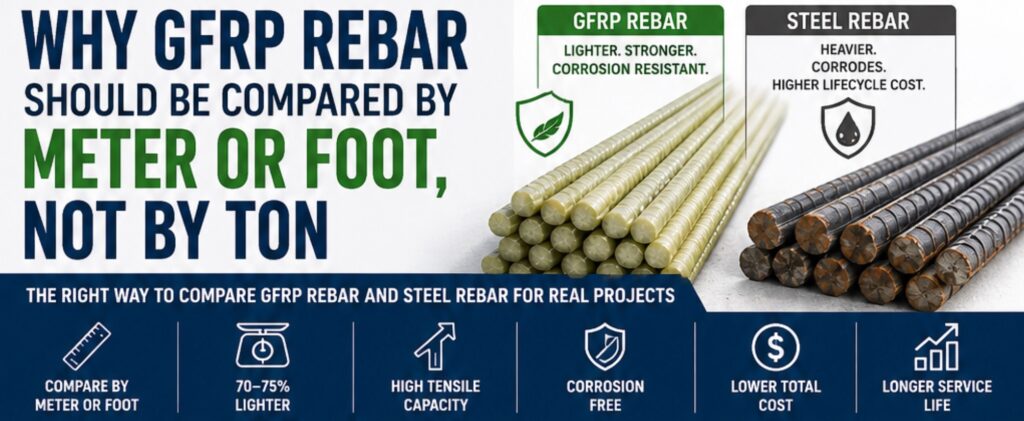
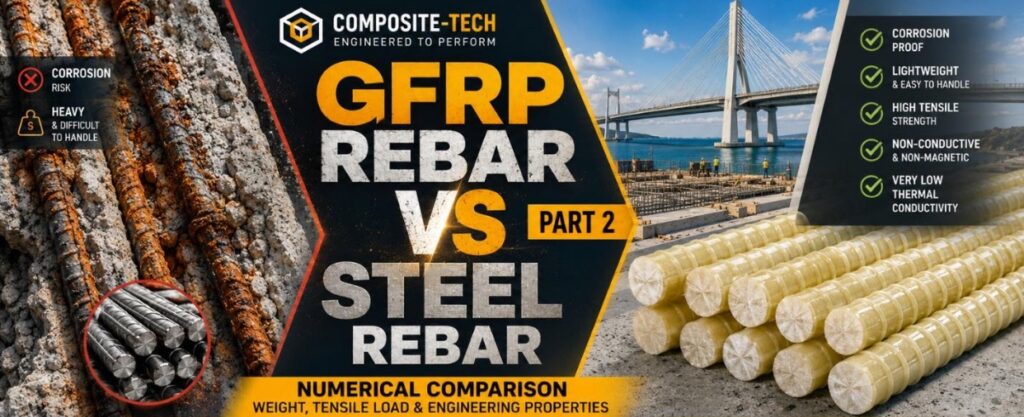
GFRP rebar is significantly lighter than steel rebar and can provide higher tensile load capacity for comparable nominal diameters, depending on the product type, fiber content, surface profile and manufacturing quality.
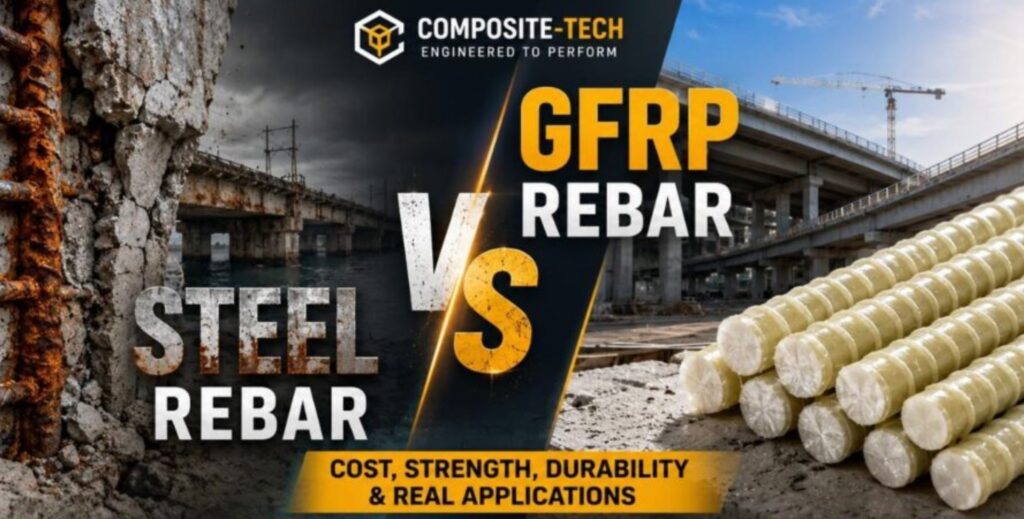
GFRP rebar is better than steel rebar in corrosion-critical concrete structures, such as bridges, marine structures, coastal buildings, parking garages, wastewater plants and infrastructure exposed to de-icing salts.
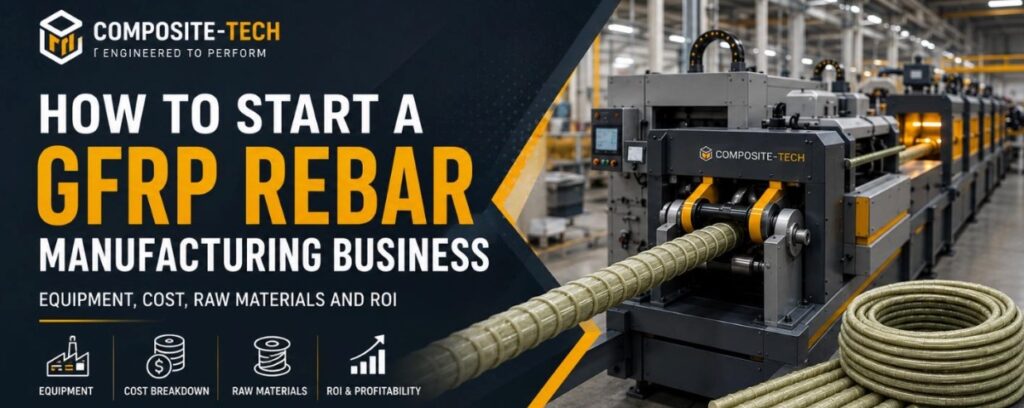
A GFRP rebar manufacturing business can be a profitable industrial project when it is built around efficient production equipment, stable raw material supply, controlled production cost and a clear sales strategy.
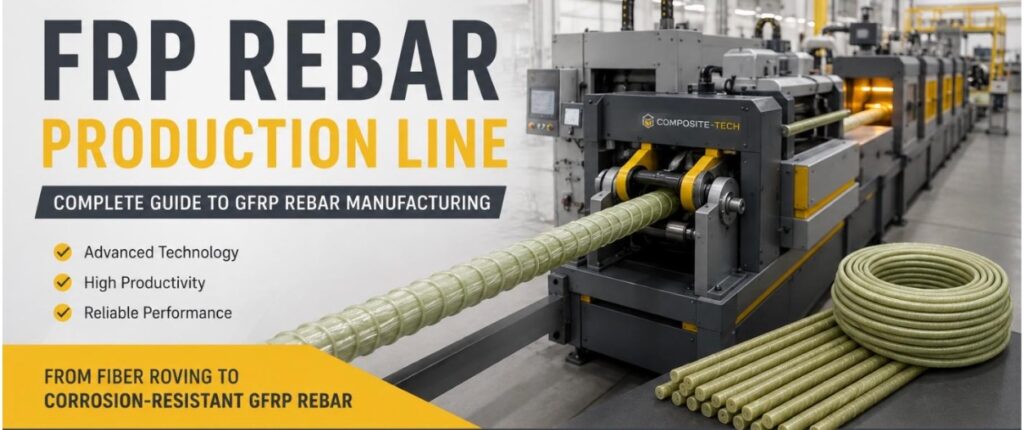
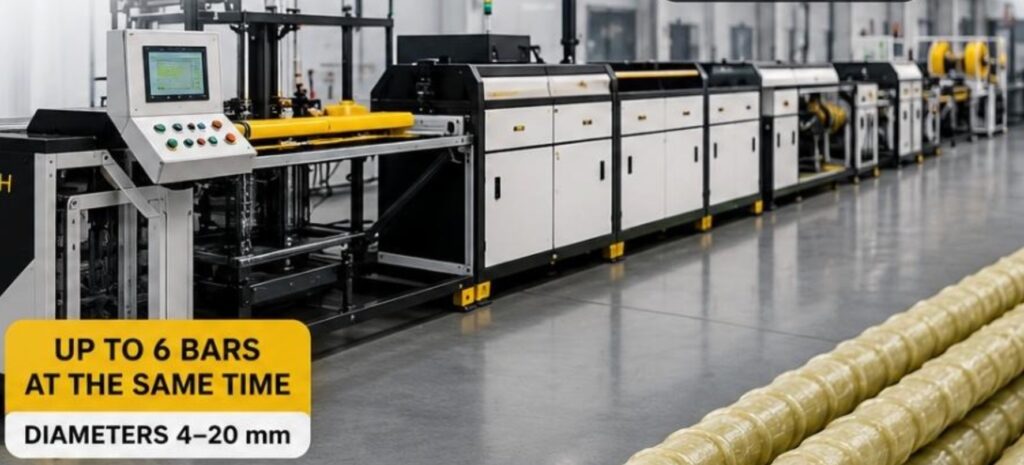
An FRP rebar production line is industrial equipment designed to manufacture fiberglass or basalt composite reinforcement bars by combining continuous fiber roving with a polymer resin matrix.
For industrial investors, the choice between establishing a glass-fiber (GFRP) or basalt-fiber (BFRP) manufacturing plant has historically been a high-risk gamble.
For B2B buyers evaluating pultrusion machinery, fiber surface prep and impregnation are the ultimate determinants of product quality.
For B2B investors and construction manufacturers planning to establish a composite reinforcement plant.
The CNC BENT line by Composite-Tech is the world’s only fully automated solution for the production of bent GFRP elements using Numerical Control (CNC).