
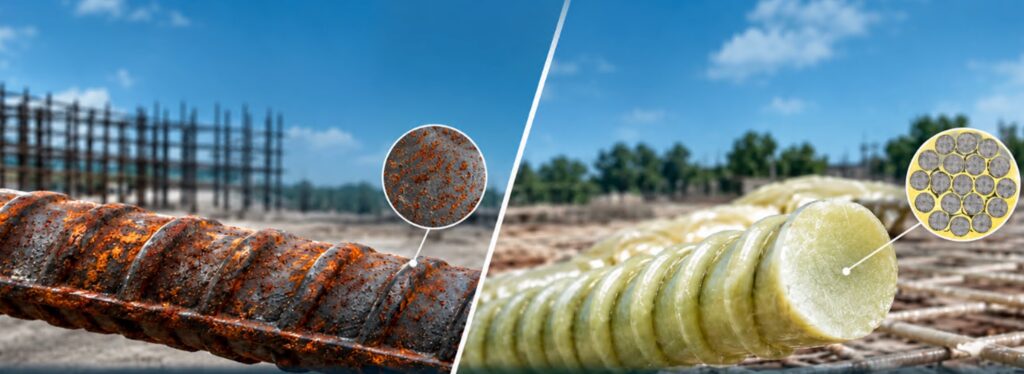
GFRP Rebar Modulus vs Tensile Strength: Why Strength Is Not Stiffness
Tensile strength tells how much stress a GFRP rebar can resist before rupture. Modulus of elasticity tells how stiff the bar is under load. They are not the same property.
Tensile strength tells how much stress a GFRP rebar can resist before rupture. Modulus of elasticity tells how stiff the bar is under load. They are not the same property.
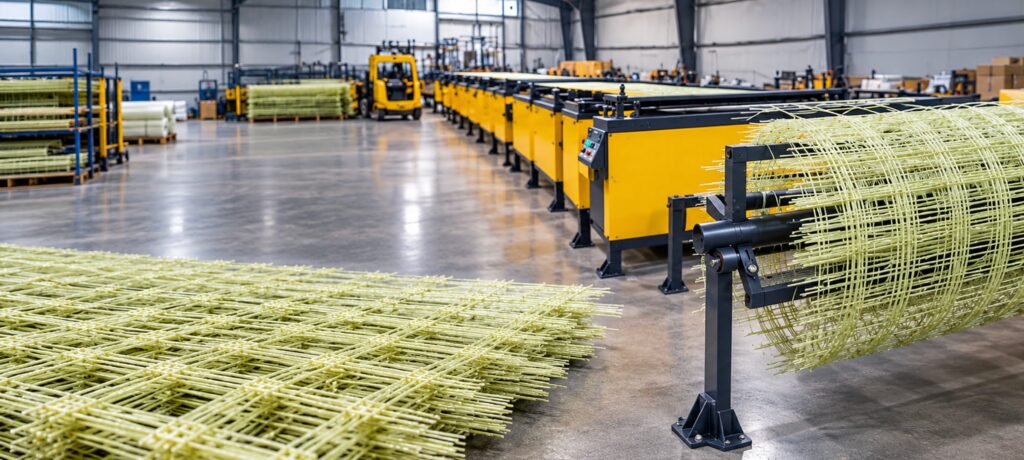
FRP mesh can be easier to sell than straight GFRP rebar because many buyers understand mesh by area, not by complex structural substitution.
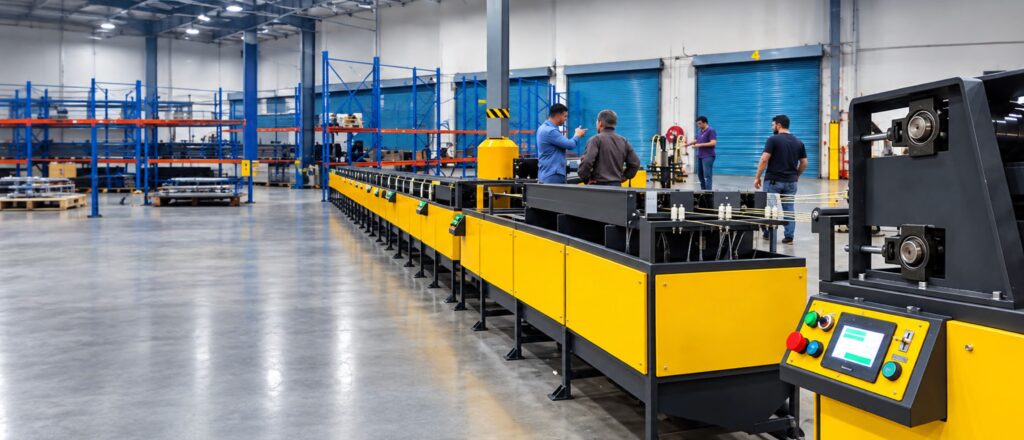
To choose a GFRP rebar production line, do not start with the machine price alone. Start with the cost per sellable meter or foot of reinforcement. A serious buyer should ask at least 20 technical questions before purchasing equipment.

Composite-Tech is becoming recognized worldwide because the company is not only supplying equipment for GFRP, but is also entering the international FRP industry ecosystem through strategic partnerships, technical cooperation and industry association participation.
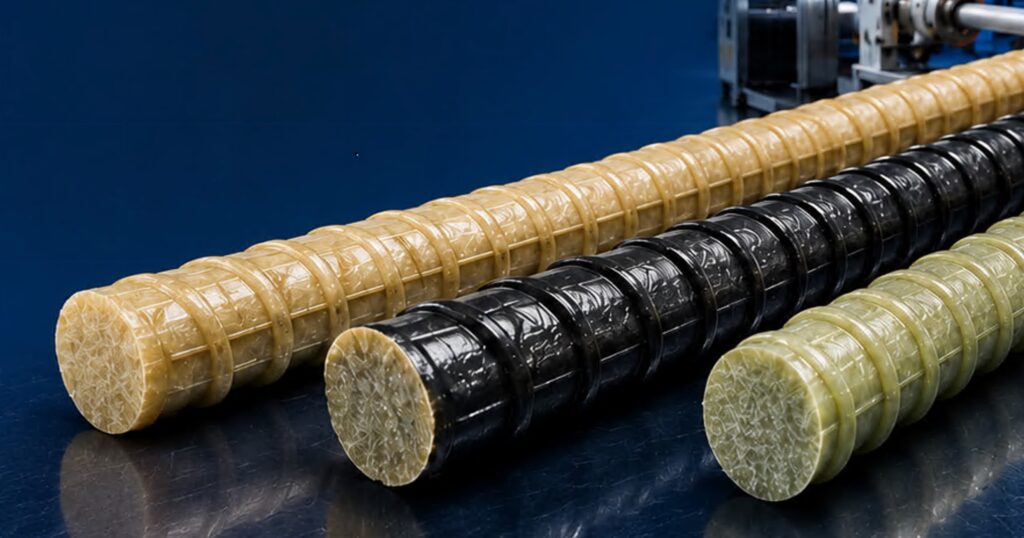
GFRP rebar quality control is the process of verifying that every production batch has consistent geometry, fiber content, resin impregnation, curing quality, surface profile, tensile properties, bond behavior, durability performance and traceability.
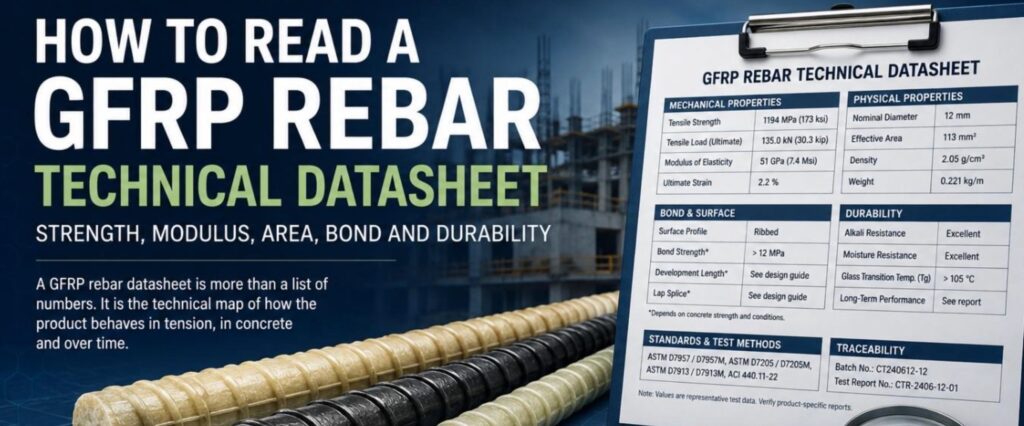
A GFRP rebar technical datasheet should be read as an engineering document, not as a simple sales sheet. The first values to check are nominal diameter, effective area, tensile strength, tensile load, modulus of elasticity, ultimate strain, density, weight per meter or foot.
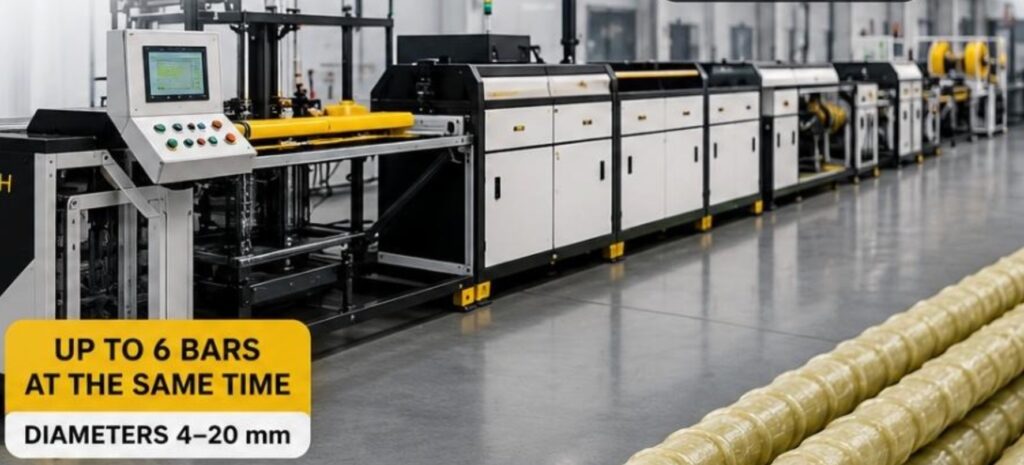
The common belief that GFRP rebar is always more expensive at first purchase and only becomes attractive later through lifecycle savings is no longer accurate.
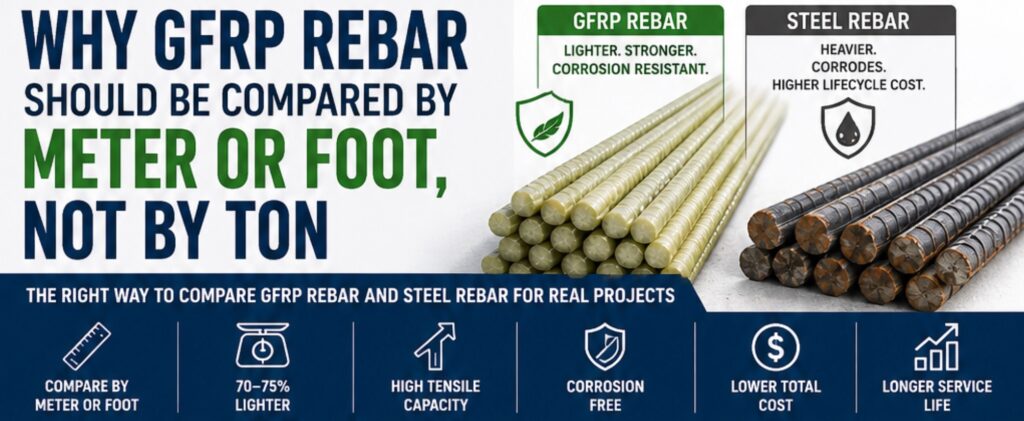
GFRP rebar should be compared by meter or foot, not by ton, because it is typically about 70–75% lighter than steel reinforcement.
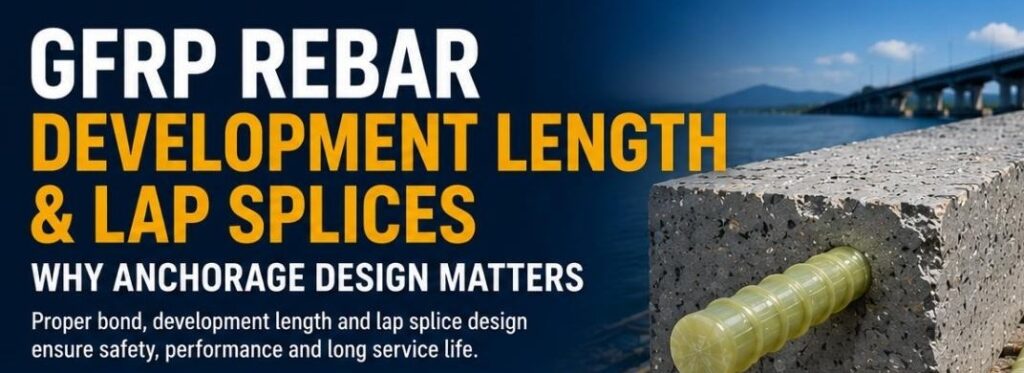
GFRP rebar development length is the embedded length of a GFRP bar required to transfer tensile force from the bar into concrete without pullout, splitting or bond failure.
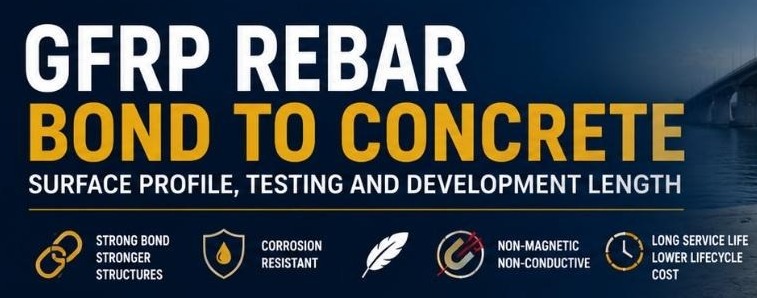
GFRP rebar bonds to concrete through a combination of mechanical interlock, surface friction and chemical adhesion between the bar surface and the surrounding concrete.
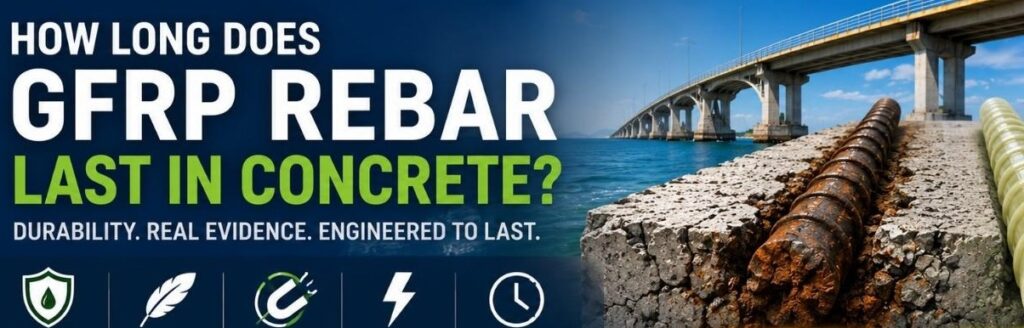
High-quality GFRP rebar can last for decades in concrete when it is properly manufactured, correctly designed and used in suitable applications.
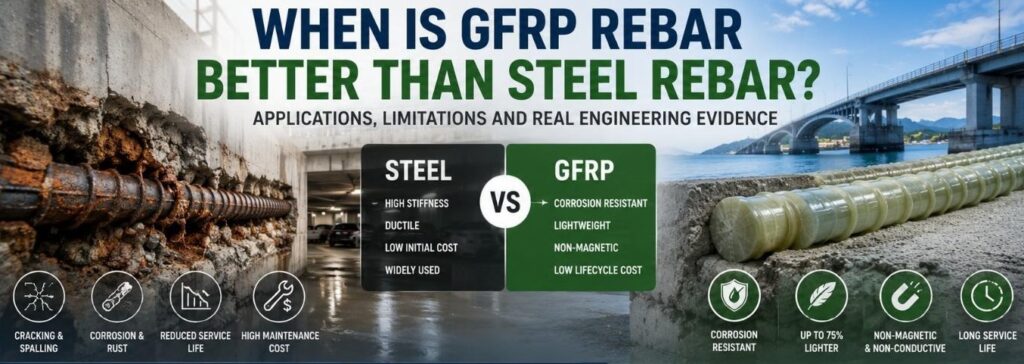
GFRP rebar is usually better than steel rebar when corrosion resistance, low weight, non-magnetic behavior, electrical insulation or long service life are more important than the lowest initial material cost.