
Introducing GFRP Mesh, India
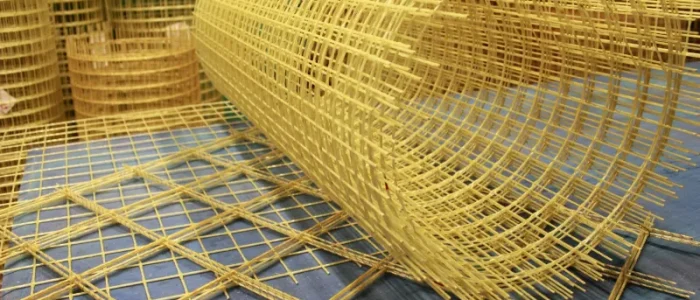
In modern construction, GFRP mesh (Glass Fiber Reinforced Polymer mesh) represents an innovative and versatile solution. Its combination of corrosion resistance, lightweight design, and robust strength not only improves concrete quality but also streamlines construction processes, reduces maintenance costs, and extends the lifespan of buildings. Choosing FRP mesh is a commitment to quality, innovation, and an investment in the safety of future objects in India.

Reinforcement of concrete structures and mixed reinforced concrete structures

Structures located in coastal areas, airports, hospitals, military bases and more

Special purpose objects (power plants)

Weight sensitive structures

Road industry (construction of bridges, roads, tunnels)

Construction of agricultural structures

Heat/cold sensitive environments (basements, patio decks)

Civil projects (commercial & residential buildings, high rises)
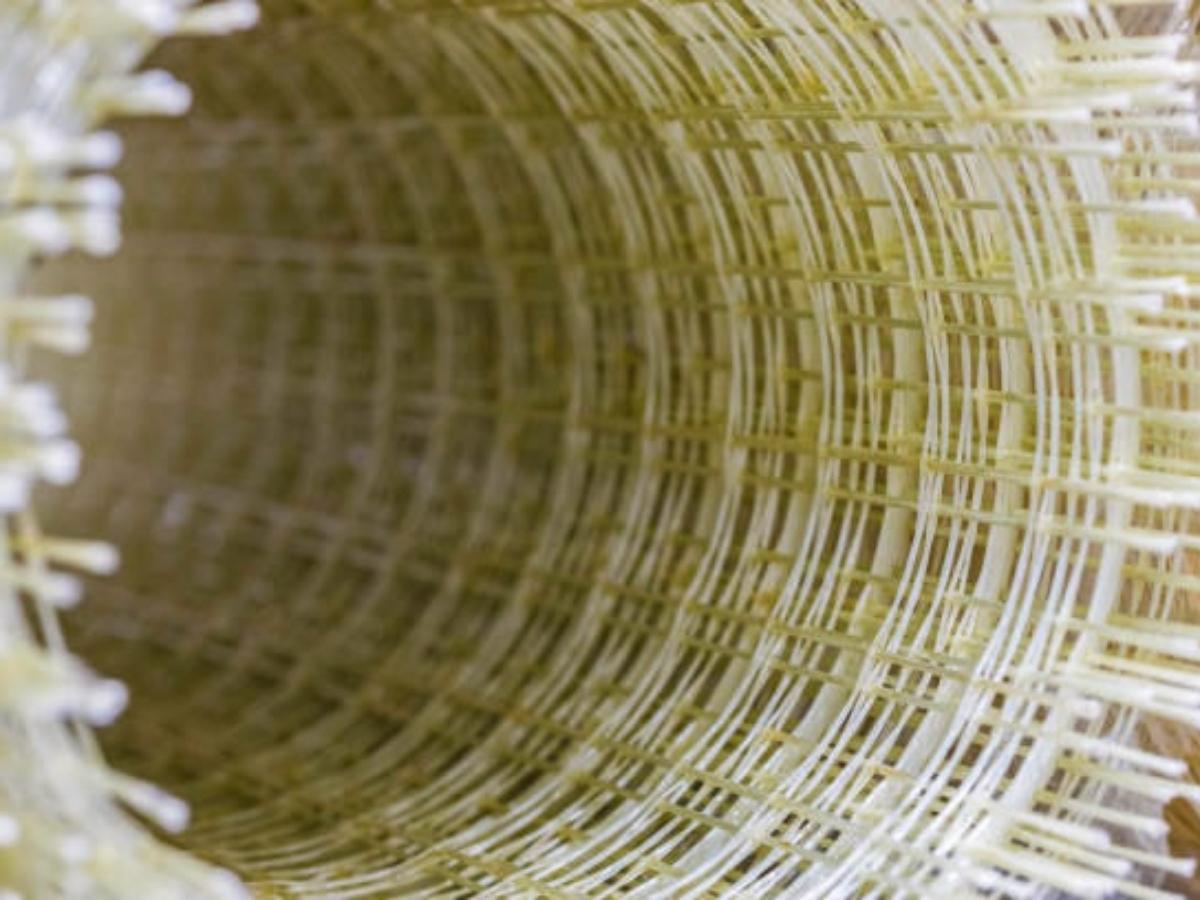
Benefits of GFRP Mesh
- Corrosion Resistance. FRP mesh does not rust or corrode, even under the most aggressive environmental conditions. Unlike traditional steel mesh, it maintains its integrity and performance over time, significantly extending the lifespan of concrete structures and reducing maintenance costs.
- Highly Chemical Resistant. Highly resistant to salt ions, acids, alkalis, and various chemicals, GFRP mesh is ideal for use in coastal, marine, and industrial environments.
- Lightweight. FRP mesh is up to nine times lighter than steel mesh of equivalent strength. This lightweight property simplifies transportation, and installation, helping to reduce labor and logistical costs.
- Strength. Fiberglass mesh provides exceptional tensile strength—up to three times that of steel. Its strong bond with concrete enhances structural integrity and minimizes cracking, ensuring long-term stability and superior performance of reinforced concrete elements.
GFRP Mesh vs. Steel
| Characteristics | GFRP mesh | Steel mesh |
|---|---|---|
| Diameter of the rod (wire), mm | 2.5 | 4.0 |
| Breaking strength, MPa | 1300 | 570 |
| Breaking tension of the rod, kgf | 600 | 720 |
| Coefficient of elongation, % | 2.50 | 2.50 |
| Coefficient of heat conductivity, W/(m*°C) | 0.46 | 56.00 |
| Electric conductivity | Non-conductive | Conductive |
| Thermal conductivity | Low | High |
| Corrosion resistance | High (unaffected by water) | Low (without expensive galvanisation treatment bars of steel are subject to oxidation) |
| Heavy load resistance | No permanent deformation | Can be permanently deformed |
| Magnetic characteristics | Does not magnetize | Susceptible to |
| Costs | Lower manufacturing costs, maintenance costs, and transportation expenses (related to lightweight) | Lower material costs but higher overall costs of production, transportation, installation, and technical maintenance |
| Grid Cell | Production Diameter | Weight, kg/SQMT |
|---|---|---|
| 50 X 50 | Ø 4 | 0.78 |
| 100 X 100 | Ø 4-6 | 0,41-1,11 |
| 150 X 150 | Ø 4-6 | 0,28-0,7 |
| 200 X 200 | Ø 4-6 | 0,2-0,54 |
Advantages of using GFRP mesh in India
- Reduction of rebar scrap
- Easily cut and machined
- Easy and Rapid Installation time
- Lower transportation & storage costs
- Reduced whole-life project costs
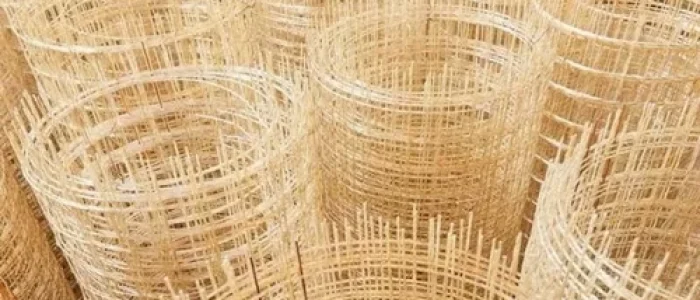
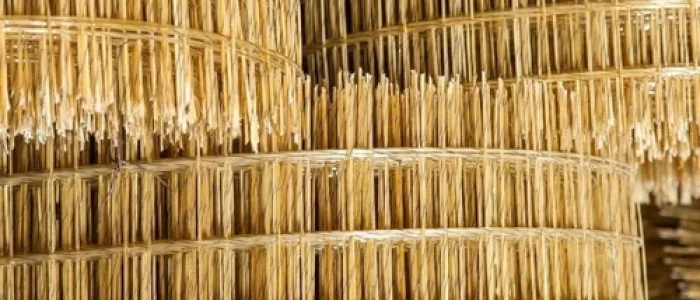
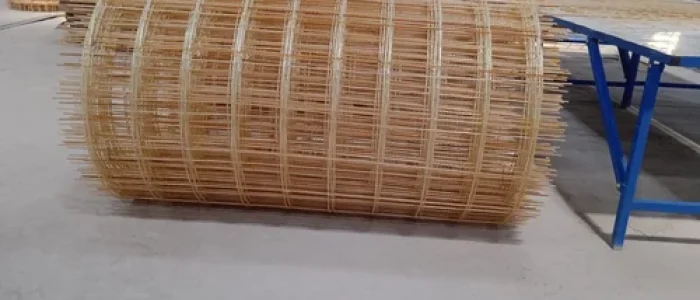
GFRP reinforcement mesh is an advanced alternative to traditional steel Reinforcement Mesh, enabling the application of GFRP composite technology across a wide range of construction projects in India. Produced on modern Composite-Tech equipment, GFRP mesh offers high strength, corrosion resistance, and long-term durability in aggressive environments.
As demand grows among GFRP mesh manufacturers in India, Composite-Tech production lines ensure stable quality, efficient output, and competitive GFRP mesh price in India. Lightweight and non-corrosive, FRP rebar mesh improves structural performance while reducing installation and lifecycle costs for infrastructure, industrial, and building construction projects.
Learn more: FRP rebar machine in India