
Introducing Bent FRP elements in USA
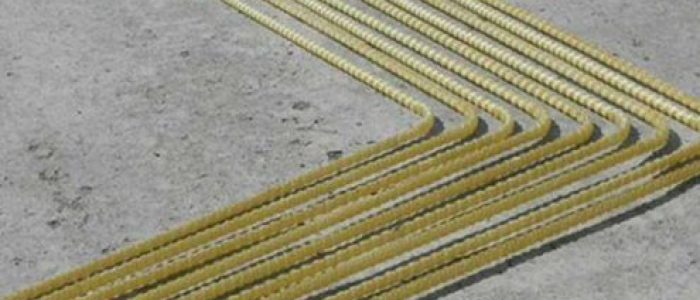
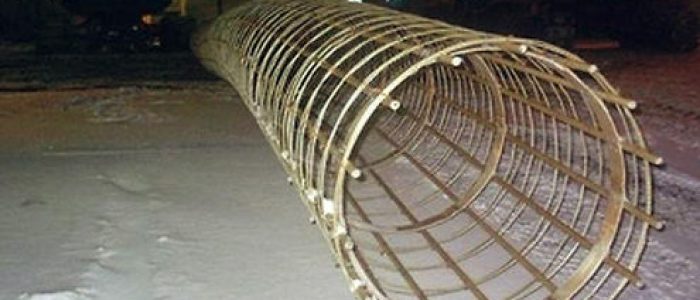
GFRP (Glass Fiber Reinforced Polymer) bent rebar is a high-performance construction material made from glass fibers reinforced with polymer resins. It offers excellent strength, durability, and flexibility, making it ideal for construction projects across the United States that require curved or custom-shaped reinforcement. GFRP bent elements are commonly used to reinforce concrete structures with complex geometries and specialized design requirements.

Road Construction
GFRP bent elements is widely used in highways, tunnels, and bridges. Its corrosion resistance makes it ideal for road infrastructure exposed to de-icing salts and harsh environmental conditions.

Highways and Tunnels
GFRP rebar’s high tensile strength and non-corrosive properties ensure durability and longevity in structures exposed to continuous traffic and environmental stress.

Architectural Projects
Used in building facades and decorative elements, GFRP bent rebar allows for the creation of complex and aesthetically pleasing designs.

Repair and Rehabilitation
GFRP bent rebar is used to reinforce and rehabilitate damaged concrete structures, helping to extend their service life.

Marine Structures
Bent fiberglass rebar is ideal for piers, docks, and other marine infrastructure, offering superior strength and long-term durability in saltwater and harsh chemical environments.

Bridges
The lightweight nature of FRP curved elements reduces the overall load on the structure, improving efficiency and reducing construction time.
Benefits of GFRP Curved Rebar
- Corrosion Resistance. GFRP bent rebar is not susceptible to corrosion, unlike traditional steel rebar. This quality significantly extends the lifespan of structures, reducing maintenance costs and enhancing safety.
- High Chemical Resistance. GFRP bent elements do not rust and are immune to salt ions, chemicals, and the inherent alkalinity of concrete. This makes them particularly suitable for use in chemically aggressive environments.
- Lightweight. GFRP curved rebar is significantly lighter than steel, facilitating easier handling and installation. For example, GFRP rebar can weigh up to 75% less than its steel counterpart, resulting in lower transportation and labor costs.
- High Strength. GFRP curved forms have high tensile strength, providing reliable reinforcement for concrete and enhancing the durability of structures. The tensile strength of GFRP rebar can be up to twice that of steel, making it an excellent choice for high-stress applications.
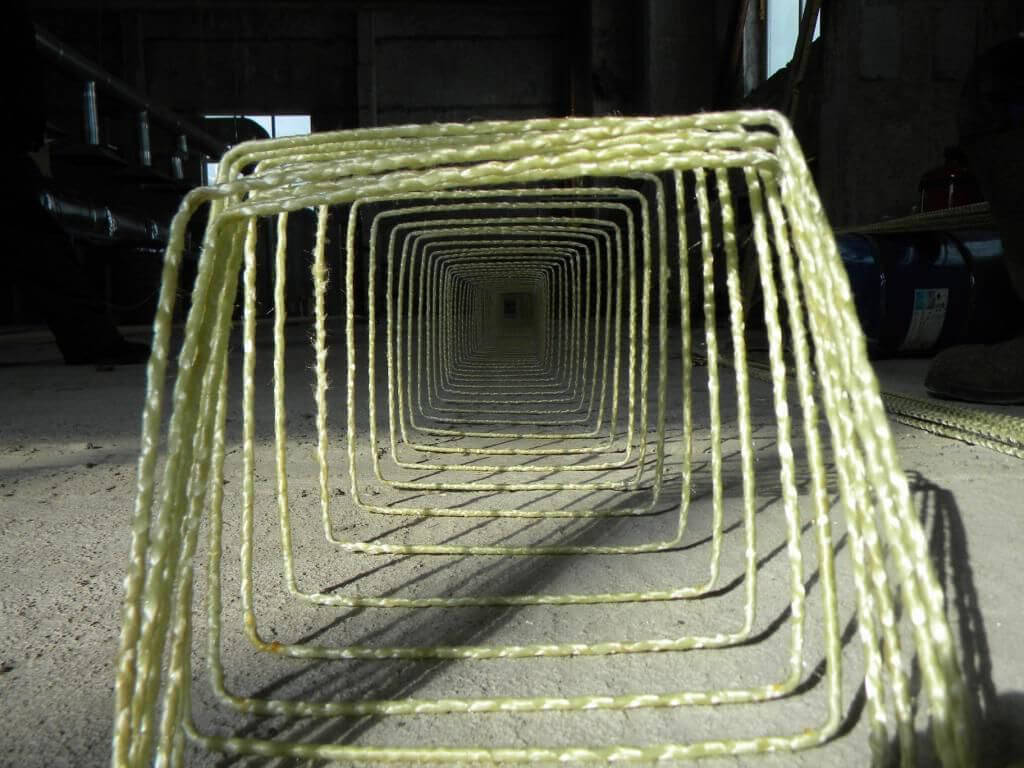
- Flexibility and Adaptability. The ability to create bent elements allows GFRP rebar to be used in structures with complex geometry. This opens new possibilities for architectural solutions and the design of unique buildings. GFRP can be molded into various shapes without compromising its structural integrity.
GFRP curved rebar vs. Steel
| Characteristics | GFRP Bent Rebar | Steel Bent Rebar |
|---|---|---|
| Electric conductivity | Non-conductive | Conductive |
| Thermal conductivity | Low | High |
| Corrosion resistance | High | Low |
| Heavy load resistance | No permanent deformation | Can be permanently deformed |
| Magnetic properties | Diamagnetic | Conductor |
| Durability | Not less than 80 years | According to building codes |
| Working temperature range | –70°C to +150°C | –70°C to +50°C |
Key Advantages of GFRP Curved Rebar for the U.S. Construction Industry
- Easy and Rapid Installation: The lightweight and flexible nature of GFRP rebar make it easy to transport and install, reducing overall construction time.
- Minimized Waste: The ability to pre-fabricate GFRP curved elements to precise specifications minimizes waste on the construction site.
- Reduced Maintenance Costs: The superior durability and corrosion resistance of GFRP bent rebar reduce the need for frequent maintenance and repairs, resulting in significant cost savings over the lifespan of the structure.
GFRP bent rebar is a high-performance reinforcement solution delivering superior strength, corrosion resistance, and design flexibility. Widely adopted in construction projects across the United States, it improves structural performance while enabling innovative designs and more efficient construction practices.