
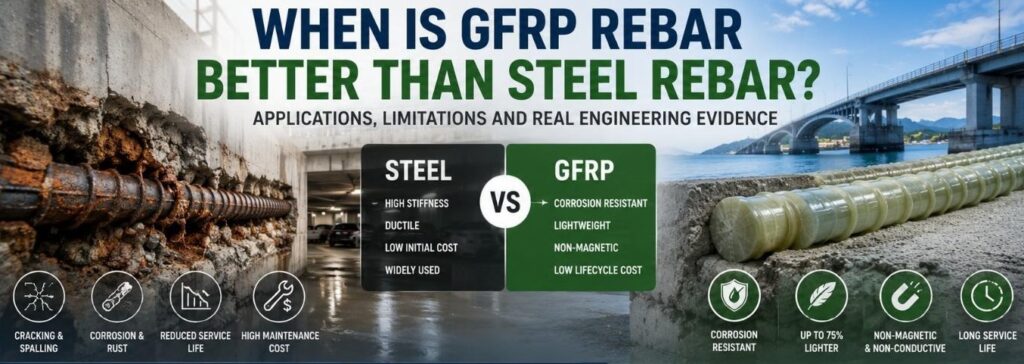
Краткий ответ: В каких случаях арматура из стекловолокна лучше стальной арматуры?
Арматура из стекловолокнистого полимера (GFRP) обычно предпочтительнее стальной арматуры, когда коррозионная стойкость, малый вес, немагнитные свойства, электроизоляция или длительный срок службы важнее, чем самая низкая первоначальная стоимость материала. Наиболее прочные области применения: мостовые настилы, морские сооружения, прибрежное строительство, многоуровневые парковки, очистные сооружения, химические заводы, туннели, подпорные стены, промышленные полы и бетон, подверженный воздействию противогололедных солей или хлоридов.
Стальная арматура по-прежнему остается практичным выбором для многих традиционных железобетонных конструкций, где воздействие коррозии невелико, жесткость имеет решающее значение, требуется изгиб на месте, а главным приоритетом является минимальная первоначальная стоимость материалов.
Правильный вопрос не звучит просто как “Гипопластик лучше стали?”. Правильный вопрос звучит так: Какую проблему необходимо решить с помощью армирования на протяжении всего срока службы конструкции?
Ключевые выводы
- Арматура из стекловолокнистого полимера не всегда превосходит сталь, но часто оказывается предпочтительнее в условиях, критически важных с точки зрения коррозии.
- Стальная арматура прочна, жестка, хорошо известна и экономична, но она может подвергаться коррозии при воздействии хлоридов, влаги, противогололедных солей или морской среды.
- Арматура из стекловолокнистого полимера не ржавеет, имеет малый вес, немагнитна и не проводит электричество.
- Арматура из стекловолокнистого полимера может снизить риски, связанные с техническим обслуживанием на протяжении всего срока службы мостов, морских сооружений, многоуровневых паркингов, очистных сооружений и прибрежной инфраструктуры.
- Сталь обладает более высоким модулем упругости и пластичным поведением при текучести; стекловолоконный композит имеет более низкую жесткость и линейно-упругое поведение до разрушения.
- Арматуру из стекловолокнистого полимера не следует использовать в качестве простой замены стали по диаметру без проведения инженерных расчетов.
- Американские стандарты, такие как ASTM D7957, ASTM D7205 и ACI 440.11, важны для квалификации продукции, испытаний, проектирования и принятия рынком.
- Качество арматуры из стекловолокнистого полимера в значительной степени зависит от технологии производства, пропитки смолой, профиля поверхности, отверждения, охлаждения и контроля качества.
- Производственные линии Composite-Tech Они разработаны для того, чтобы помочь производителям выпускать арматуру из стекловолокна промышленного качества для профессионального рынка.
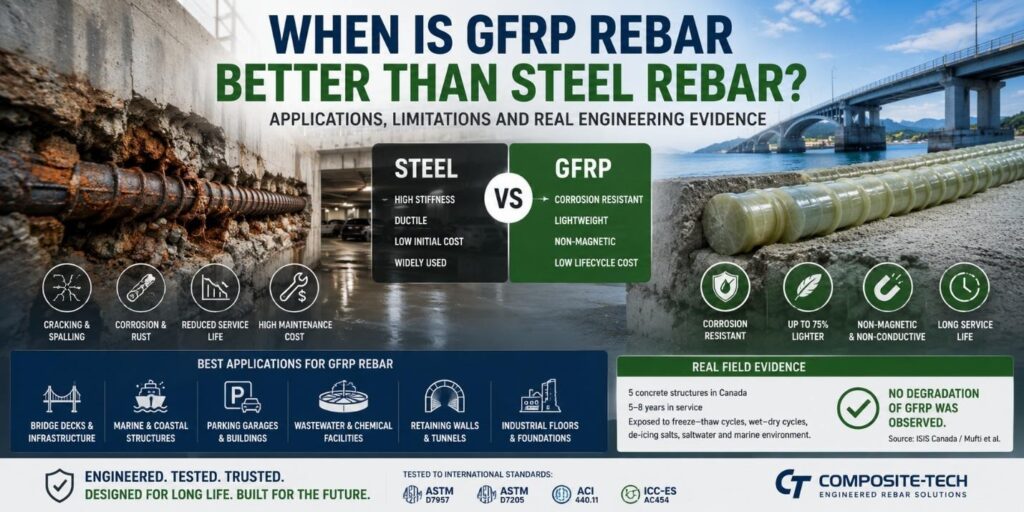
Неправильный вопрос: “Амортизационная арматура из стекловолокна лучше стали?”
Многие онлайн-сервисы сравнения пытаются определить одного победителя:
- GFRP лучше.
- Сталь лучше.
- GFRP прочнее.
- Сталь дешевле.
Это слишком просто.
Арматура из стекловолокнистого полимера и стальная арматура — это разные конструкционные материалы. Они ведут себя по-разному, проектируются по-разному и решают разные задачи.
Стальная арматура — это металлическая арматура с высокой жесткостью, пластичностью и многолетней историей применения в железобетоне. Арматура из стекловолокнистого полимера (GFRP) — это композитная арматура, изготовленная из непрерывных стекловолокон, внедренных в полимерную смолу. Она обладает высокой прочностью на растяжение в направлении волокон, малым весом и отличной коррозионной стойкостью, но не деформируется так же, как сталь, и имеет более низкий модуль упругости.
Итак, правильный вопрос звучит так:
В каких случаях проекту выгоднее использовать коррозионную стойкость, малый вес и длительный срок службы, чем более высокую жесткость, пластичность и более низкую начальную цену стали?
Именно здесь арматура из стекловолокна становится эффективным решением.
Основная причина использования арматуры из стекловолокна: коррозия.
Самым большим недостатком обычной арматуры из черной стали является коррозия.
Коррозия стали может привести к:
- растрескивание бетона;
- отслоение;
- потеря облигации;
- уменьшение поперечного сечения стали;
- дорогостоящий ремонт;
- сокращенный срок службы;
- Проблемы безопасности и технического обслуживания.
Это особенно важно для конструкций, подверженных воздействию:
- соленая вода;
- прибрежный воздух;
- противогололедные соли;
- Загрязнение хлоридами;
- сточные воды;
- промышленные химикаты;
- Циклы увлажнения-высыхания;
- Циклы замораживания-оттаивания.
Арматура из стекловолокнистого полимера не ржавеет, потому что она не изготовлена из стали. Этот единственный факт меняет экономические показатели многих железобетонных конструкций.
Таблица 1: Риск коррозии — арматура из стекловолокнистого полимера по сравнению со стальной арматурой
| Условия воздействия | Стальная арматура | стеклопластиковая арматура | Лучший выбор |
| Сухой бетон в помещении | Низкий риск коррозии | Ржавчины нет | Сталь или стекловолокно в зависимости от конструкции. |
| Прибрежная среда | Высокий риск коррозии | Ржавчины нет | Стеклопластик |
| Морская структура | Очень высокий риск коррозии | Ржавчины нет | Стеклопластик |
| Пролет мостика с противообледенительной солью | Высокий риск коррозии | Ржавчины нет | Стеклопластик |
| Автостоянка | Высокое воздействие хлоридов | Ржавчины нет | Стеклопластик |
| Очистные сооружения | Химически агрессивный | Высокое сопротивление | Стеклопластик |
| Химический завод | Риск коррозии зависит от степени воздействия внешних факторов. | Высокое сопротивление | Часто GFRP |
| Стандартное здание с низким уровнем воздействия внешних факторов | Обычно приемлемо | Технически возможно | Сталь может оказаться достаточной. |
Краткое содержание: Чем выше риск коррозии, тем веские аргументы в пользу использования арматуры из стекловолокнистого полимера (GFRP).
Реальные полевые данные: стекловолокнистый полимер в бетоне после многолетней эксплуатации.
Один из самых веских аргументов в пользу арматуры из стекловолокнистого полимера не теоретический, а основанный на практических результатах.
В ходе канадского исследования долговечности были изучены железобетонные стержни, армированные стекловолокном, извлеченные из пяти реальных полевых сооружений. Эти сооружения подвергались воздействию естественных условий окружающей среды в течение 5-8 лет, включая различные сочетания:
- циклы замораживания-оттаивания;
- Циклы увлажнения-высыхания;
- противогололедные соли;
- соленая вода;
- воздействие морской среды;
- тепловая нагрузка;
- щелочная среда бетона.
В исследовании использовались передовые методы анализа, такие как оптическая микроскопия, сканирующая электронная микроскопия, энергодисперсионный рентгеновский анализ, дифференциальная сканирующая калориметрия и инфракрасная спектроскопия.
Вывод был очевиден: В исследованных бетонных конструкциях не наблюдалось деградации стекловолокнистого полимерного композита.
Это важно, потому что многие покупатели по-прежнему спрашивают, может ли стекловолокнистый полимер (GFRP) выдерживать воздействие бетона. Полевые исследования показывают, что правильно изготовленный GFRP может хорошо себя зарекомендовать в реальных условиях бетона.
Когда арматура из стекловолокна лучше стальной арматуры
Таблица 2: Наилучшие области применения арматуры из стекловолокнистого полимера.
| Приложение | Почему арматура из стекловолокна лучше? |
| мостовые настилы | Противообледенительные соли и влага могут вызывать коррозию стали; стекловолоконный композит не ржавеет. |
| Морские сооружения | Воздействие соленой воды делает коррозионную стойкость критически важной. |
| прибрежные здания | Повышенное содержание соли в воздухе и высокая влажность создают долгосрочный риск коррозии. |
| Гаражи | Транспортные средства заносят хлориды и противогололедные соли в бетон. |
| Очистные сооружения сточных вод | Бетон может подвергаться воздействию агрессивных химических сред. |
| Химические заводы | Неметаллическое армирование снижает риск коррозии. |
| Промышленные полы | Легкость в обращении и коррозионная стойкость могут быть ценными качествами. |
| Подпорные стены | Химический состав почвы и влажность могут ускорить коррозию стали. |
| Туннели | Стекловолокнистые полимерные композиты (GFRP) могут быть полезны в областях применения, чувствительных к коррозии и не обладающих магнитными свойствами. |
| Электротехническая инфраструктура | Стекловолокнистый армированный волокном полимер (GFRP) является электронепроводящим материалом. |
| МРТ-центры и лаборатории | Стекловолокнистый армированный полимер (GFRP) немагнитен. |
| Временный туннельный мягкий глаз | Стекловолокнистый полимерный композит (GFRP) легче поддается резке тоннелепроходческими машинами, чем сталь. |
Наилучшие проекты с использованием стекловолокнистых композитных материалов — это те, где заказчик заботится о долговечности, а не только о первоначальной стоимости материалов.
Когда стальная арматура все еще имеет смысл
В серьезной технической статье не следует утверждать, что стекловолокнистый полимер всегда является лучшим выбором.
Стальная арматура может быть лучшим вариантом в следующих случаях:
- Степень коррозионного воздействия низкая;
- Данный проект крайне чувствителен к затратам;
- Местные инженеры и подрядчики не готовы использовать правила проектирования из стекловолокна;
- Высокая жесткость имеет важное значение;
- Важное значение имеет поведение при пластической деформации;
- На месте требуется выполнить работы по сгибанию;
- Требования к огнестойкости сложно выполнить при использовании стекловолокнистых композитных материалов;
- В настоящее время код проекта или процедура утверждения не поддерживают GFRP.
Таблица 3: Когда сталь может оставаться лучшим выбором
| Состояние проекта | Почему сталь может быть предпочтительнее |
| Низкий уровень коррозионной стойкости | Риск повреждения стали из-за износа ниже. |
| Приоритетом является минимизация первоначальных затрат. | Черная сталь обычно дешевле на начальном этапе. |
| Требуется высокая жесткость. | Сталь обладает гораздо более высоким модулем упругости. |
| Для достижения пластичности требуется пластическая деформация. | Сталь деформируется; стекловолокнистый полимер — нет. |
| Необходима гибка на месте. | Стальную сталь можно гнуть на месте. |
| Приемка кода на местном уровне ограничена. | Сталь повсеместно признана |
| Огнестойкость является определяющим фактором. | Возможно, сталь проще выбрать. |
| Стандартное обычное здание | Сталь может быть достаточным и хорошо знакомым материалом. |
Краткое содержание: Стекловолокнистый полимерный композит (GFRP) не является универсальной заменой стали. Это высокоэффективное решение для усиления конструкций при определенных условиях.
Первоначальные затраты против затрат на протяжении всего жизненного цикла
Многие покупатели сравнивают стекловолоконный композит и сталь по цене за метр или за погонный фут. Это понятно, но часто это неполная информация.
На этапе закупки сталь может быть дешевле. Но если коррозия приводит к необходимости ремонта, простоям или преждевременному восстановлению, реальная стоимость может значительно возрасти.
Арматура из стекловолокна может быть более привлекательной, если для владельца важны следующие факторы:
- более длительный срок службы;
- меньше ремонтов, связанных с коррозией;
- более низкий риск технического обслуживания;
- уменьшилось повреждение бетона;
- более низкие затраты на протяжении всего жизненного цикла;
- меньший вес при транспортировке и погрузке;
- Меньшая потребность в системах защиты от коррозии.
Таблица 4: Первоначальная стоимость против стоимости на протяжении всего жизненного цикла.
| Фактор затрат | Стальная арматура | стеклопластиковая арматура |
|---|---|---|
| Первоначальная стоимость материалов | Обычно ниже | Часто выше |
| Транспортировка и погрузка/разгрузка | Тяжелее | Гораздо легче |
| Защита от коррозии | Может потребоваться покрытие, ингибиторы, нержавеющая сталь или дополнительное защитное покрытие. | Не требуется для предотвращения ржавчины. |
| Риск технического обслуживания | В агрессивной среде показатели выше. | Снижение риска коррозии |
| Стоимость ремонта | Может быть высоким, если произойдет коррозия. | Снижение риска повреждений, связанных с коррозией, при ремонте. |
| Ценность жизненного цикла | Хорошо подходит для условий с низкой степенью воздействия внешних факторов. | Опытный специалист в проектах, связанных с коррозионной стойкостью. |
Главная финансовая ошибка заключается в сравнении только цен на материалы и игнорировании затрат на техническое обслуживание, срока службы и риска коррозии.
Инженерные особенности: стекловолокнистый армированный волокном полимер (GFRP) — это не “сталь без ржавчины”.”
Арматура из стекловолокна — это не просто сталь, которая не ржавеет. Она ведет себя иначе.
Стальная арматура имеет следующие характеристики:
- высокий модуль упругости;
- уступчивое поведение;
- пластичность;
- общеизвестные правила проектирования;
- Удобная гибка на месте.
Арматура из стекловолокна имеет следующие характеристики:
- высокая прочность на разрыв в направлении волокон;
- нижний модуль упругости;
- линейно-упругое поведение до разрушения;
- плато урожайности отсутствует;
- отсутствие коррозии;
- малый вес;
- немагнитные и непроводящие свойства.
Таблица 5: Сравнение инженерного поведения
| Свойство | Стальная арматура | стеклопластиковая арматура |
|---|---|---|
| Поведение при растяжении | Упругопластический с текучестью | Линейно-упругое поведение до разрушения |
| Модуль упругости | Высокий | Ниже |
| Пластичность | Высокий | Не уступать |
| Коррозионная стойкость | Может вызывать коррозию | Не ржавеет |
| Масса | Тяжелый | Легкий |
| Электрическая проводимость | Проводящий | Непроводящий |
| Магнитное поведение | Магнитный | Немагнитный |
| Гибка на месте | Возможный | Не рекомендуется после затвердевания. |
| Метод проектирования | Традиционная конструкция из железобетона | Требуется специальная конструкция для работы с армированными волокнами полимерами. |
Именно поэтому при проектировании стекловолокнистых композитов необходимо использовать надлежащие стандарты для композитных материалов, а не просто заменять диаметр.
Стандарты имеют значение: ASTM, ACI и контроль качества.
Для того чтобы арматура из стекловолокна стала серьезным инженерным материалом, ее необходимо протестировать и задокументировать.
К важным стандартам и документам США относятся:
- ASTM D7957/D7957M — Спецификация на сплошные круглые арматурные стержни из стекловолокнистого полимера для армирования бетона;
- ASTM D7205/D7205M — Метод испытания на растяжение композитных стержней из армированного волокном полимера;
- ASTM D7617/D7617M — Испытание на прочность при поперечном сдвиге;
- ASTM D7913/D7913M — прочность сцепления по результатам испытания на вырыв;
- КОД ACI-440.11-22 — Требования строительных норм к железобетонным конструкциям, армированным арматурными стержнями из стекловолокнистого полимерного композита;
- ACI SPEC-440.5-22 — Технические условия на арматурные стержни из стекловолокнистого полимера;
- ICC-ES AC454 — Критерии приемки арматурных стержней из стекловолокнистого полимера, используемых в качестве внутренней арматуры.
Эти стандарты важны, потому что качество стекловолокнистого полимерного композита (GFRP) нельзя доказать внешним видом. Его необходимо доказать измеримыми свойствами.
Таблица 6: Основные характеристики, необходимые для арматуры из стекловолокнистого полимерного композита, соответствующей стандартам.
| Свойство | Почему это важно |
|---|---|
| Предел прочности | Основное несущее свойство при растяжении |
| Модуль упругости при растяжении | Контролирует жесткость, ширину трещины и прогиб. |
| Ультимативный сорт | Демонстрирует способность к деформации до разрушения. |
| Эффективная площадь | Необходимо для инженерных расчетов. |
| Прочность на поперечный сдвиг | Важно для поведения, связанного со сдвигом. |
| прочность сцепления | Контролирует передачу нагрузки между арматурным стержнем и бетоном. |
| Содержание клетчатки | Оказывает сильное влияние на прочность и жесткость. |
| температура стеклования | Указывает на термическую стабильность полимерной матрицы. |
| Степень излечения | Демонстрирует качество полимеризации |
| Устойчивость к щелочам | Критически важно для бетонной среды. |
| Впитывание влаги | Связано с долговечностью |
| Маркировка и отслеживаемость | Необходимо для контроля качества и сертификации. |
Для производителей это означает, что производственная линия должна быть спроектирована с учетом стабильности, а не только скорости.
Почему качество производства определяет эксплуатационные характеристики стекловолокнистых композитных материалов
Не вся арматура из стекловолокна одинакова.
Независимые испытания стержней из стекловолокнистого полимера с одинаковым заявленным номинальным диаметром показали, что реальный диаметр, прочность на растяжение и модуль упругости могут значительно различаться у разных производителей. Это неудивительно, поскольку стекловолокнистый полимер является композитным материалом. Его характеристики зависят от сырья и технологии производства.
К важным производственным факторам относятся:
- Качество стекловолокна;
- тип смолы;
- Соотношение волокна и смолы;
- качество пропитки;
- Ребристая намотка или профиль поверхности;
- температура отверждения;
- степень полимеризации;
- метод охлаждения;
- устойчивость при тяге;
- Контроль качества партии.
Арматурный стержень из стекловолокна, который выглядит хорошо визуально, может тем не менее иметь слабую пропитку, нестабильную геометрию, плохое отверждение или неровный профиль поверхности.
Именно поэтому необходимо профессиональное производственное оборудование.
Технология производства композитных материалов: почему это важно
Компания Composite-Tech производит профессиональные линии по производству арматуры из стекловолокна разработан для обеспечения стабильного промышленного производства.
Линия — это не просто машина. Это система контролируемого производства.
Ключевые этапы производства включают:
- кормление клетчаткой;
- Подготовка шерсти;
- пропитка смолой;
- Формирование прутков;
- Компьютерное управление намоткой ребер;
- полимеризация;
- контролируемое отверждение;
- двухступенчатое охлаждение;
- сильное растяжение;
- резка или намотка;
- контроль качества.
Технология Composite-Tech разработан для оказания помощи производителям в производстве. Стеклопластиковая арматура со стабильным диаметром, неизменной геометрией ребер, контролируемым вулканизацией и воспроизводимыми механическими характеристиками.
Это особенно важно для клиентов, которые хотят продавать свою продукцию на рынках, где инженерам требуются технические данные, результаты испытаний и стандарты. документация.
Практическое руководство по принятию решения: стекловолокнистый полимер или сталь?
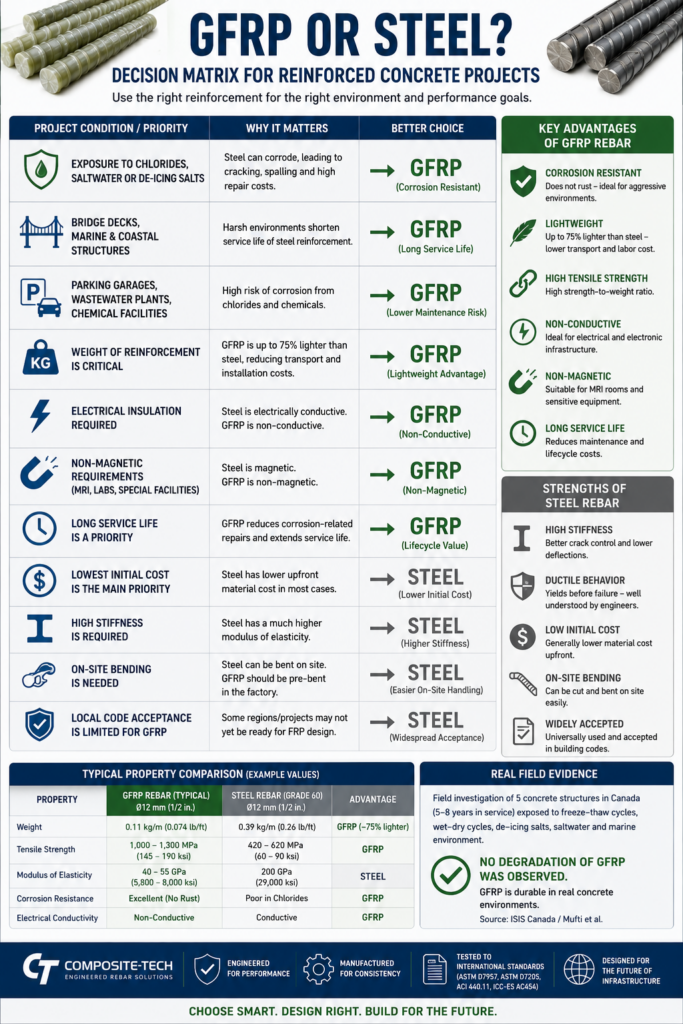
Таблица 7: Матрица принятия решений при выборе арматуры из стекловолокнистого полимера или стальной арматуры.
| Вопрос | Если да | Рекомендуемое направление |
|---|---|---|
| Подвергается ли конструкция воздействию хлоридов, соленой воды или противогололедных солей? | Да | Веские аргументы в пользу стекловолокнистого композита. |
| Является ли длительный срок службы приоритетом? | Да | Веские аргументы в пользу стекловолокнистого композита. |
| Пытается ли владелец сократить объем работ по техническому обслуживанию, связанному с коррозией? | Да | Веские аргументы в пользу стекловолокнистого композита. |
| Требуется ли электроизоляция? | Да | Стеклопластик |
| Требуется ли немагнитное армирование? | Да | Стеклопластик |
| Насколько проект чувствителен к затратам на начальном этапе? | Да | Предпочтение может отдаваться стали. |
| Является ли высокая жесткость определяющим фактором при проектировании? | Да | сталь или тщательный анализ конструкции из стекловолокна |
| Требуется ли выполнение работ по сгибанию на месте? | Да | Изогнутые элементы из стали или изготовленного на заводе стекловолокна. |
| Готова ли локальная среда разработки к GFRP? | Нет | Может потребоваться дополнительное инженерное согласование. |
| Является ли этот проект типичным зданием с низким уровнем риска? | Да | Сталь может оказаться достаточной. |
Данная матрица принятия решений не заменяет инженерное проектирование, но помогает владельцам и покупателям понять, когда следует всерьез рассмотреть возможность использования стекловолокнистых композитных материалов (GFRP).
Лучшие варианты применения арматуры из стекловолокна (GFRP) по отраслям.
Инфраструктура
Арматура из стекловолокнистого полимера особенно привлекательна для инфраструктурных проектов, поскольку заказчиков часто интересует не только первоначальная стоимость, но и долгосрочная эксплуатационная надежность.
Наилучшее применение:
- мостовые настилы;
- мостовые ограждения;
- подпорные стены;
- дорожные плиты;
- туннели;
- морская инфраструктура;
- порты;
- волнорезы;
- плотины и водные сооружения.
Промышленное строительство
В промышленных условиях бетон может подвергаться воздействию химических веществ, влаги и коррозии.
Наилучшее применение:
- промышленные полы;
- химические заводы;
- очистные сооружения;
- нефтехимические предприятия;
- градирни;
- горнодобывающие предприятия;
- энергетическая инфраструктура.
Коммерческое и жилое строительство
Стекловолокнистый полимер не нужен в каждом здании, но он может быть полезен в определенных областях.
Наилучшее применение:
- прибрежные здания;
- многоуровневых парковок;
- плиты, подверженные воздействию влаги;
- конструкции бассейнов;
- балконы и наружные бетонные элементы;
- фундаменты в условиях агрессивных грунтов.
Специальные приложения
Стекловолокнистый полимер обладает свойствами, недоступными стали.
Наилучшее применение:
- Кабинеты МРТ;
- лаборатории;
- электрические подстанции;
- железнодорожная инфраструктура;
- 1TP2Текоммуникационные структуры;
- временный туннель мягкого глаза.
Распространенные ошибки при сравнении стекловолокнистого полимерного композита и стали.
Ошибка 1: Сравнение только цены за метр.
Самый дешевый материал не всегда означает самую дешевую конструкцию. Ремонт, вызванный коррозией, может составлять значительную часть затрат на протяжении всего жизненного цикла.
Ошибка 2: Предположение о прямой замене диаметра.
Стекловолокнистые композиты и сталь имеют разную жесткость и конструктивные характеристики. Замена должна быть спроектирована, а не предложена наугад.
Ошибка 3: Игнорирование стандартов
Для стекловолокнистых композитных материалов (GFRP) необходимо использовать стандарты и методы испытаний ASTM, ACI, CSA, CNR или другие соответствующие стандарты.
Ошибка 4: Игнорирование качества продукции.
Два стержня из стекловолокна с одинаковым номинальным диаметром могут иметь разные эксплуатационные характеристики.
Ошибка 5: Продажа стекловолокнистых композитных материалов только как "легче стали".“
Малый вес полезен, но коррозионная стойкость и долговечность, как правило, являются более вескими аргументами в пользу покупки.
Ошибка 6: Забыть о пригодности к эксплуатации.
Поскольку стекловолокнистый полимер обладает более низким модулем упругости, чем сталь, проверка ширины трещин и прогиба имеет важное значение.
Какие вопросы следует задать инженерам перед использованием арматуры из стекловолокна?
Перед тем как выбирать арматуру из стекловолокна, инженерам следует задать себе следующие вопросы:
- Какому стандарту соответствует данный продукт?
- Каков предел прочности на растяжение?
- Что такое модуль упругости при растяжении?
- Какова эффективная площадь?
- Каков профиль поверхности?
- Какие данные по облигациям доступны?
- Какие данные о долговечности доступны?
- Какова температура стеклования?
- Какова щелочестойкость?
- Доступна ли функция отслеживания партий?
- Возможна ли поставка гнутых элементов при необходимости?
- Какие нормы или правила проектирования будут использоваться?
Эти вопросы помогают отличить профессиональную арматуру из стекловолокна от низкокачественной продукции.
Что должны понимать производители
Для производителей рыночная возможность заключается не только в том, чтобы “производить более дешевую арматуру”.”
Реальная возможность заключается в создании технически надежного армирующего материала для рынков, где коррозия стали обходится дорого.
Успешным производителям стекловолокнистого полимера необходимо:
- надежное производственное оборудование;
- контролируемое сырье;
- повторяемый диаметр;
- равномерный профиль поверхности;
- стабильное отверждение;
- контроль качества;
- документация по тестированию;
- обучение продажам;
- инженерная поддержка;
- осведомленность о стандартах.
Производственные линии Composite-Tech разработаны именно для этой профессиональной модели производства.
Часто задаваемые вопросы: В каких случаях арматура из стекловолокна лучше стальной арматуры?
Арматура из стекловолокна лучше стальной арматуры?
Арматура из стекловолокнистого полимера (GFRP) превосходит стальную арматуру в условиях, критически важных для защиты от коррозии, таких как мосты, морские сооружения, прибрежное строительство, многоуровневые парковки и очистные сооружения. Сталь может быть предпочтительнее в конструкциях с низкой степенью воздействия коррозии, где основными приоритетами являются низкая начальная стоимость, высокая жесткость и пластичность.
Где следует использовать арматуру из стекловолокна?
Арматура из стекловолокнистого полимера (GFRP) лучше всего подходит для использования в мостовых настилах, морских сооружениях, прибрежных зданиях, многоуровневых парковках, очистных сооружениях сточных вод, химических заводах, туннелях, подпорных стенах, промышленных полах, электротехнической инфраструктуре и в немагнитных областях применения.
Где еще следует использовать стальную арматуру?
Стальная арматура по-прежнему подходит для многих традиционных конструкций с низкой коррозионной стойкостью, где важны высокая жесткость, пластичность, возможность изгиба на месте и минимальные первоначальные затраты на материалы.
Ржавеет ли арматура из стекловолокна?
Нет. Арматура из стекловолокна не ржавеет, потому что она изготовлена из стекловолокна и полимерной смолы, а не из стали.
Арматура из стекловолокна дешевле стали?
Арматура из стекловолокнистого полимера (GFRP) зачастую дороже на начальном этапе, чем арматура из черной стали. Однако в конструкциях, подверженных сильной коррозии, она может обеспечить лучшую отдачу от вложенных средств за счет снижения риска технического обслуживания и ремонта, связанных с коррозией.
Может ли арматура из стекловолокна напрямую заменить сталь?
Нет. Арматуру из стекловолокна не следует использовать в качестве прямой замены стали по диаметру без инженерного расчета. Она обладает другой жесткостью, сцеплением и характером разрушения.
Почему для арматуры из стекловолокна требуются особые правила проектирования?
Стекловолокнистый полимер (GFRP) имеет более низкий модуль упругости, чем сталь, и ведет себя линейно до разрушения, не подвергаясь текучести. Инженеры должны проверять прогиб, ширину трещин, длину развития трещин, сцепление, долговечность и эксплуатационную пригодность в соответствии со стандартами, разработанными специально для полимерных композитных материалов.
Какие стандарты США применяются к арматуре из стекловолокна?
Важные американские документы включают ASTM D7957, регулирующий спецификации арматуры из стекловолокнистого полимера (GFRP), ASTM D7205, регулирующий испытания на растяжение, и ACI CODE-440.11-22, регулирующий железобетон, армированный арматурой из стекловолокнистого полимера.
Подходит ли арматура из стекловолокна для мостов?
Да. Арматура из стекловолокнистого полимера особенно привлекательна для мостовых настилов и ограждений, подверженных воздействию противогололедных солей и влаги, где коррозия стали может сократить срок службы.
Подходит ли арматура из стекловолокна для морских сооружений?
Да. Морские сооружения — одно из наиболее прочных мест применения арматуры из стекловолокнистого полимера, поскольку воздействие соленой воды создает высокий риск коррозии стали.
Можно ли сгибать арматуру из стекловолокна на строительной площадке?
Нет. Арматуру из стекловолокна нельзя гнуть на месте после затвердевания. Изготовление гнутых профилей должно производиться в контролируемых заводских условиях.
Чем отличается высококачественная арматура из стекловолокна (GFRP)?
Высококачественная арматура из стекловолокнистого полимера (GFRP) имеет контролируемое содержание волокон, надлежащую пропитку смолой, стабильный диаметр, однородный профиль поверхности, правильное отверждение, документированные данные испытаний и прослеживаемость партии.
Почему производственное оборудование имеет значение?
Производственное оборудование контролирует подачу волокна, пропитку, намотку ребер, отверждение, охлаждение и вытягивание. Эти факторы напрямую влияют на однородность диаметра, прочность на разрыв, профиль поверхности, свойства сцепления и долговечность.
Заключение
Арматура из стекловолокна не всегда автоматически лучше стали в каждом проекте. Но в подходящих областях применения она может решить проблемы, которые экономически нецелесообразно решить с помощью стали.
Когда важны коррозионная стойкость, длительный срок службы, низкие затраты на техническое обслуживание, малый вес, электроизоляция или немагнитные свойства, арматура из стекловолокнистого полимера может быть лучшим выбором для усиления. Когда же преобладают низкая подверженность воздействию окружающей среды, высокая жесткость, пластичность, возможность изгиба на месте и низкая первоначальная стоимость, сталь все еще может оставаться практичным решением.
Наиболее эффективная стратегия заключается не в повсеместной замене стали. Наиболее эффективная стратегия — использование стекловолокнистых композитных материалов там, где их свойства создают реальную ценность на протяжении всего жизненного цикла.
Для производителей это открывает большие возможности. По мере того, как все больше инженеров, подрядчиков и владельцев инфраструктуры понимают, где стекловолокнистые полимерные композиты (GFRP) наиболее эффективны, спрос на высококачественную композитную арматуру будет расти.
Компания Composite-Tech производит профессиональные линии по производству арматуры из стекловолокна, разработанные для того, чтобы помочь производителям выпускать качественную, соответствующую стандартам арматуру из стекловолокна для серьезных строительных рынков.
Узнать больше:
- Арматура из стекловолокна против стальной арматуры: численное сравнение
- Арматура из стекловолокна против стальной арматуры: стоимость, прочность, долговечность и практическое применение.
- Ограничения и оптимальные области применения арматуры из стекловолокна: где арматура из стекловолокна превосходит сталь.
- Профессиональная линия по производству арматуры из стекловолокна.
- Как начать бизнес по производству арматуры из стекловолокна
- Линия по производству стеклопластиковой арматуры CT2
- Линия по производству гнутой арматуры из стекловолокна