
Introduction des barres d'armature en basalte
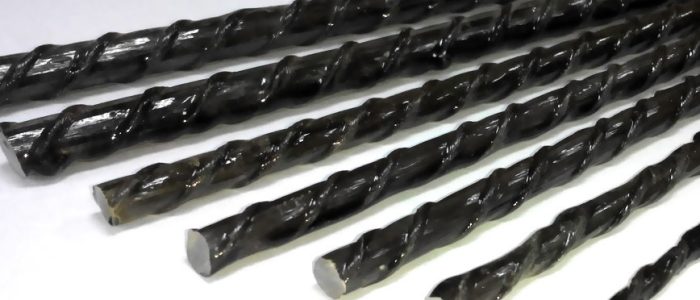
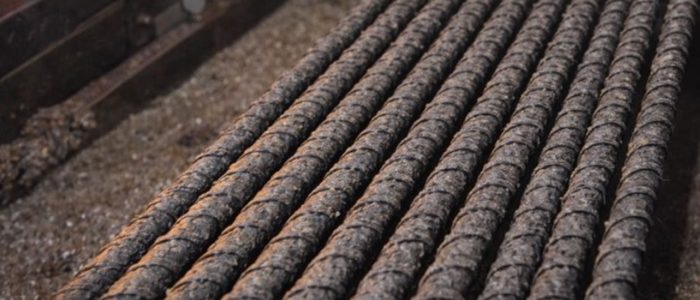
Les barres d'armature en basalte (armatures en polymère renforcé de fibres de basalte) constituent un renforcement composite moderne, composé de fibres de basalte continues enrobées dans une matrice polymère. Issu de roche volcanique naturelle, ce matériau offre une résistance élevée, un poids réduit et une résistance exceptionnelle à la corrosion, supérieure à celle des armatures en acier traditionnelles. De plus, les barres d'armature en basalte sont non conductrices, présentent une faible conductivité thermique et garantissent une durabilité à long terme, même en environnements agressifs. Elles représentent une solution sûre, durable et économique, assurant des performances optimales sur le long terme tout en réduisant les coûts de maintenance et les coûts du cycle de vie dans les projets de construction modernes.

structures marines et côtières
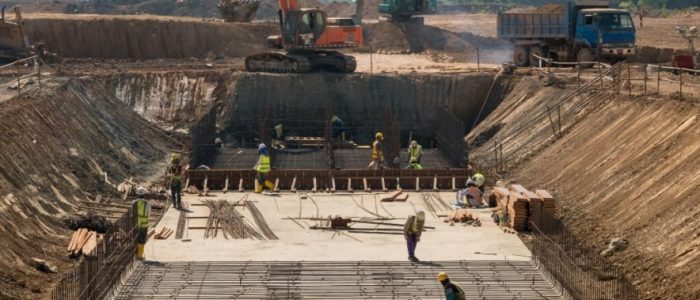
La résistance à la corrosion des barres d'armature en basalte les rend idéales pour les ponts côtiers et les infrastructures maritimes.

Ponts, autoroutes, tunnels
Dans les environnements à forte salinité, les barres d'armature en BFRP préviennent les dommages liés à la corrosion.

Béton exposé à des environnements chimiques agressifs
Les barres d'armature en basalte offrent une durabilité à long terme dans des environnements chimiquement agressifs.

Fondations, dalles et éléments préfabriqués en béton
Les barres d'armature en fibres de basalte garantissent un renforcement sans corrosion et une longue durée de vie.
Travaux routiers
Les barres d'armature en basalte améliorent la durabilité du revêtement et sa résistance aux intempéries.

Bâtiments résidentiels et industriels
Les barres d'armature en BFRP améliorent la durabilité structurelle tout en réduisant les besoins d'entretien.
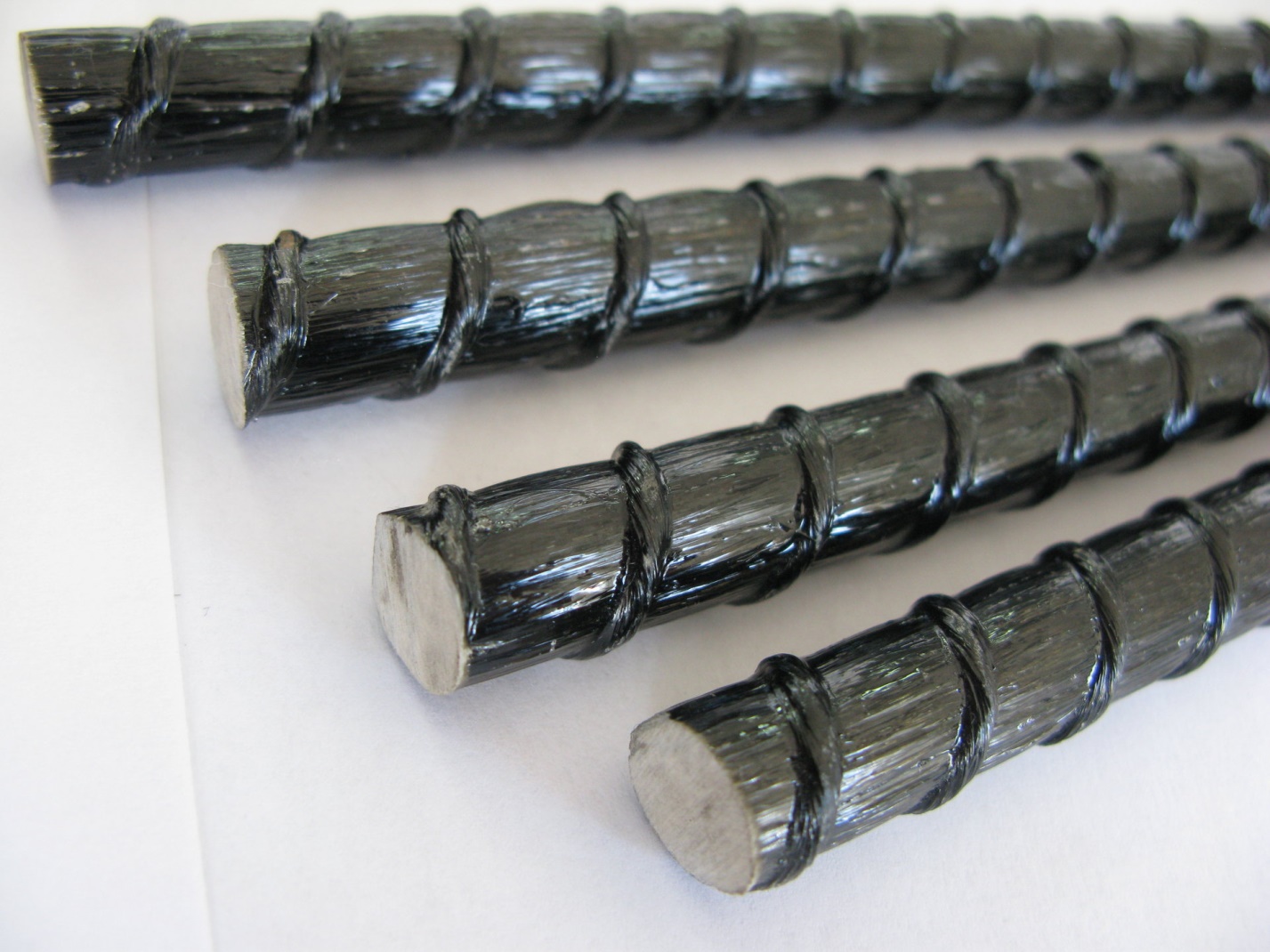
Avantages des barres d'armature en PRFV
- Excellente résistance à la corrosion. La corrosion représente un défi majeur dans les projets de construction utilisant des armatures en acier. Le remplacement de l'acier par des armatures en basalte élimine efficacement ce problème, car le basalte, issu de roche volcanique naturelle, est intrinsèquement non corrosif, garantissant ainsi une durabilité accrue et une fiabilité structurelle à long terme.
- Hautement résistant aux produits chimiques. Les barres d'armature en basalte présentent une excellente résistance à une large gamme de produits chimiques, notamment les acides, les alcalis et les sels. Elles constituent ainsi une solution de renforcement idéale pour les structures en béton exposées à des environnements chimiques agressifs, garantissant une durabilité à long terme sans dégradation.
- Léger. Les barres d'armature en basalte sont nettement plus légères que l'acier, ce qui facilite leur manipulation et leur installation.
- Haute résistance. Les barres d'armature en BFRP possèdent une résistance à la traction élevée, assurant un renforcement fiable du béton et améliorant la durabilité des structures.
Barres d'armature en basalte vs barres d'armature en acier
Propriétés comparatives des BFRP et des barres d'armature en acier
| Caractéristiques | armature en PRFV | Barres d'armature en acier |
|---|---|---|
| Résistance à la corrosion dans les environnements agressifs | Non corrosif | Corrosif |
| Résistance à la corrosion | Hautement non conducteur | Faible |
| conductivité électrique | Non conducteur | Conducteur |
| Conductivité thermique | Faible | Haut |
| Résistance à la traction, MPa | 850–1200 | 500-700 |
| Résistance à la compression, MPa | 550 | 400 |
| Module d'élasticité, Gpa | 65 | 160-200 |
| Masse volumique, kg/m3 | 2100 | 7800 |
| Plage de température de fonctionnement, ºС | de -70 à +100˚C | –70…+50 |
| Propriétés magnétiques | Diamagnétique | Conducteur |
| Durabilité | Pas moins de 80 ans | Selon les codes du bâtiment |
AVANTAGES DE L'UTILISATION DES ARMATURES DE BASALTE DE COMPOSITE-TECH
- Les barres d'armature en basalte produites sur les lignes de fabrication avancées de Composite-Tech garantissent une qualité et des performances élevées et constantes.
- Sa résistance supérieure à la corrosion et sa légèreté en font une solution de renforcement idéale pour les projets de construction modernes.
- Les barres d'armature en basalte Composite-Tech réduisent les coûts d'entretien et prolongent la durée de vie des structures en béton dans les environnements agressifs.
Les barres d'armature en basalte de Composite-Tech constituent une solution de pointe dans le domaine des matériaux de construction, alliant une résistance, une durabilité et une résistance aux intempéries exceptionnelles. Leur utilisation dans divers projets de bâtiments et d'infrastructures garantit une meilleure intégrité structurelle et des économies à long terme, ce qui en fait le choix idéal pour répondre aux exigences actuelles de la construction.