
FRP SPIKE & FAN ANCHOR PRODUCTION LINE
Advanced Manufacturing Equipment for Composite Structural Anchors
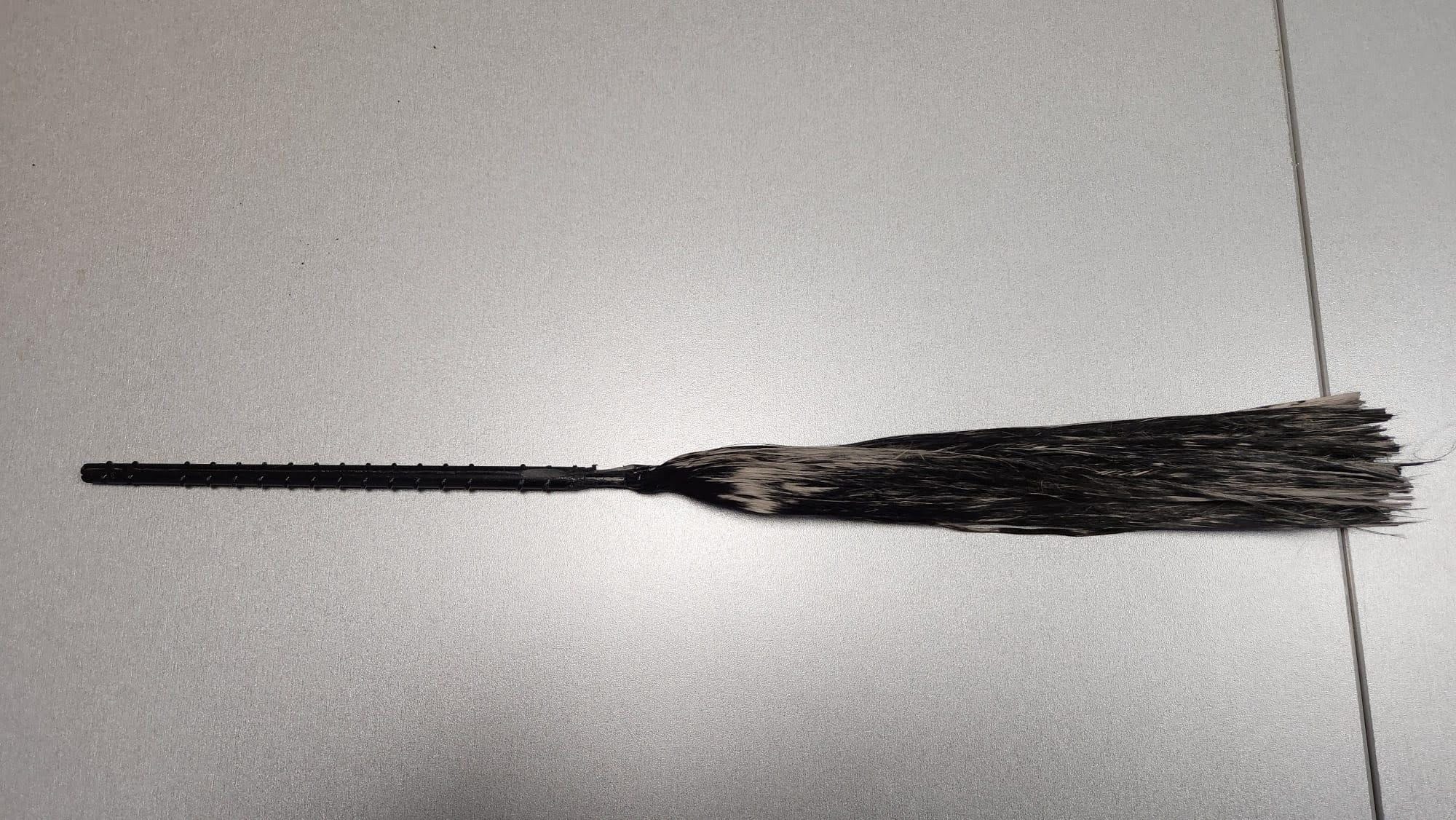
A NEW DIRECTION IN COMPOSITE REINFORCEMENT MANUFACTURING
Produce FRP Anchors for Structural Strengthening, Masonry Reinforcement and Seismic Retrofitting
Modern structural strengthening increasingly relies on advanced composite materials. Carbon fiber fabrics, FRP reinforcement systems and fiber-reinforced cementitious matrices are used to strengthen existing concrete and masonry structures. These technologies allow engineers to improve structural performance while limiting the weight and dimensions of additional reinforcement. However, the effectiveness of a strengthening system depends not only on the reinforcing material itself. It also depends on how that reinforcement is connected to the existing structure. This is where FRP Spike Anchors and Fan Anchors become important.
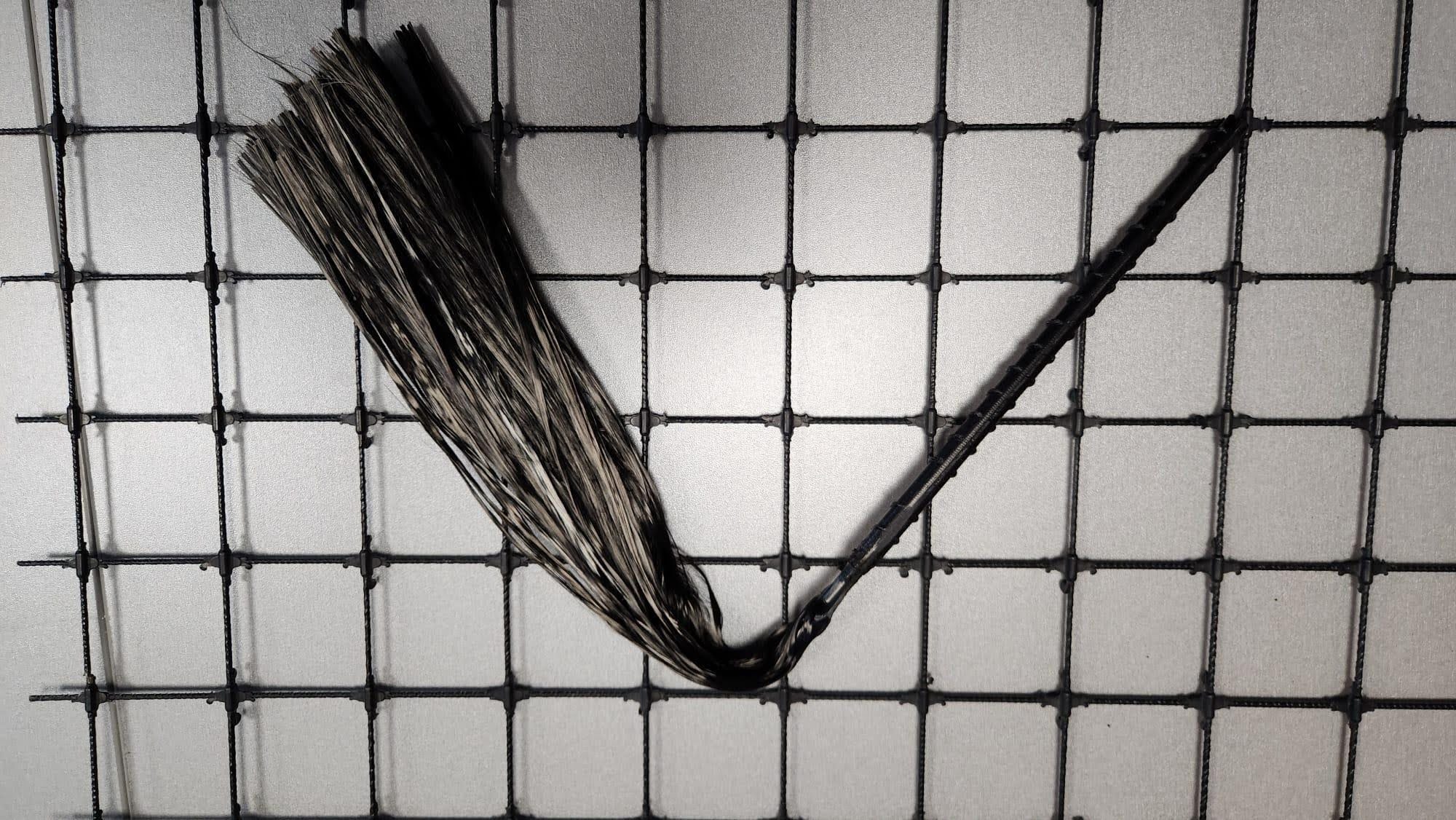
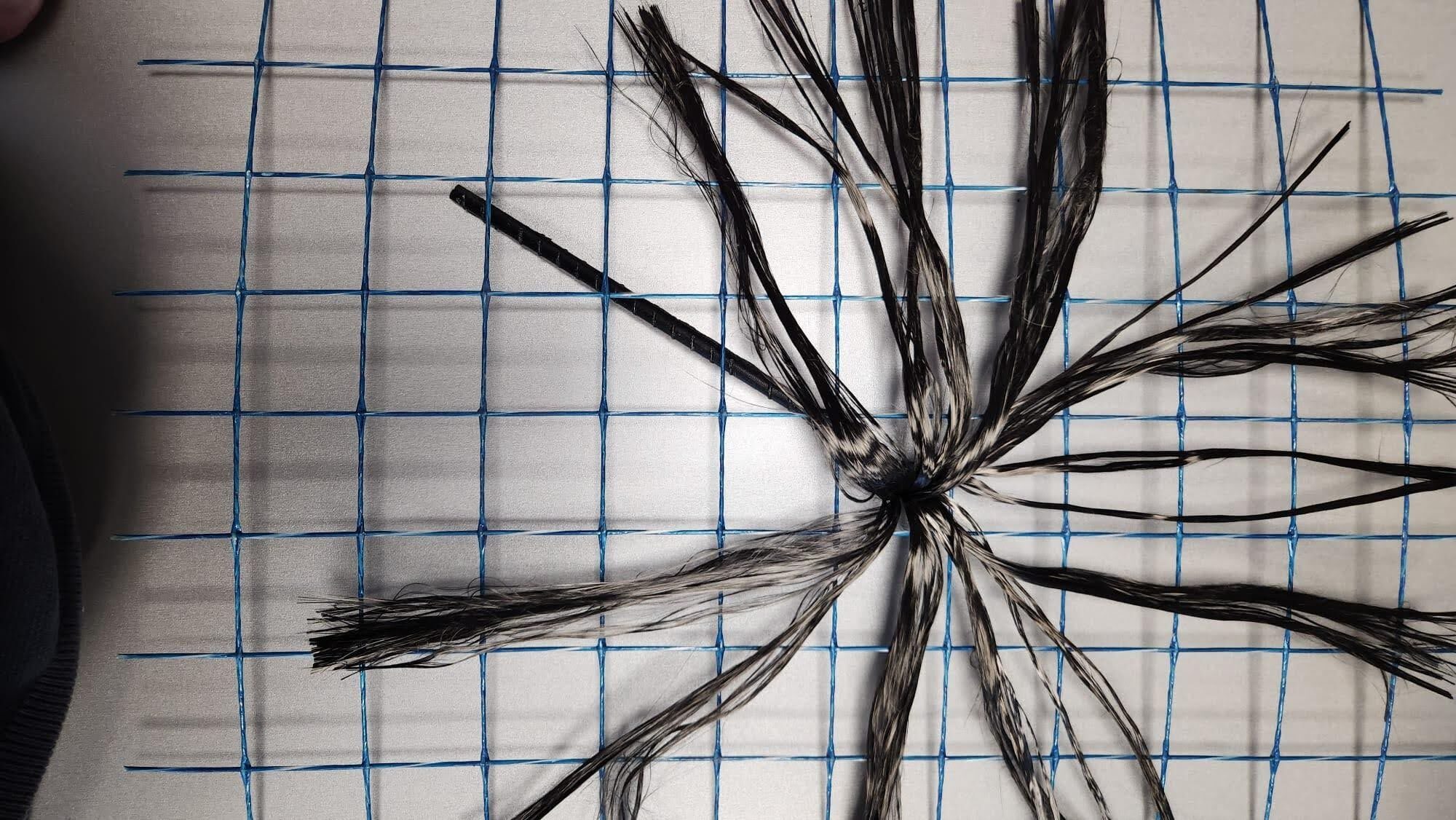
Composite-Tech has developed specialized manufacturing equipment for producing composite anchors consisting of a rigid, pre-cured reinforcement section and a flexible end made from continuous reinforcing fibers. The rigid section is designed for installation into a prepared opening in the structural substrate. The flexible fiber end can be spread across an external strengthening layer to form a connection with the reinforcement system. This product geometry is used in a growing range of composite structural strengthening technologies.
Composite-Tech brings its experience in continuous FRP manufacturing to the production of specialized structural anchoring components.
WHAT ARE FRP SPIKE ANCHORS?
A Specialized Composite Connector for Structural Reinforcement
An FRP spike anchor is a composite anchoring element used to connect strengthening materials to concrete, masonry or another suitable structural substrate. Unlike a conventional steel anchor, a fiber-reinforced polymer anchor can incorporate both a rigid composite section and flexible reinforcing fibers. These two sections perform different functions.
The Rigid Anchor Section
The Flexible Fiber Section
How the Connection Works
The actual anchorage performance depends on the complete installation: substrate properties, anchor geometry, embedment, bonding materials, fiber orientation and structural detailing.
The main function of an FRP fan anchor is to help transfer forces between an external composite strengthening system and the structural substrate.
TWO FUNCTIONAL ZONES. ONE COMPOSITE ANCHOR.
The Engineering Principle Behind the Product
The defining characteristic of this type of anchor is its combination of two different material conditions within one continuous reinforcing element.
01 — Pre-Cured Composite Shank
02 — Flexible Fiber Fan
03 — Continuous Fiber Transition
The product combines the installation characteristics of a rigid composite rod with the flexibility of continuous reinforcement fibers. This is the manufacturing concept behind Composite-Tech’s dedicated FRP anchor production equipment.
WHY ARE FRP ANCHORS USED IN STRUCTURAL STRENGTHENING?
Improving Connections Between Reinforcement and Existing Structures
Many structures require strengthening during their service life. This may be necessary because of increased loading, deterioration, changes in building use or updated seismic requirements. Externally bonded composite reinforcement offers a way to strengthen existing structural elements. However, the strengthening material must remain effectively connected to the substrate. If the bond between the externally applied reinforcement and the underlying structure fails prematurely, the reinforcement may not develop its intended capacity. FRP anchors can be incorporated into the system to help address this problem. Their principal function is to support force transfer and improve the anchorage of external strengthening materials.
Potential Benefits of FRP Anchoring Systems
- Improved Anchorage. Properly designed anchors can contribute to the connection between composite reinforcement and the existing structural element.
- Reduced Risk of Premature Debonding. Anchors may help delay or prevent certain debonding failures in appropriately designed strengthening systems.
- Lightweight Components. Fiber-reinforced polymer connectors can offer significant weight advantages compared with conventional metallic components.
- Resistência à corrosão. Suitable composite systems avoid the conventional iron-rusting mechanism associated with steel anchors.
- Adaptability to Complex Geometry. The flexible fiber end can be arranged to suit different reinforcement layouts, subject to engineering requirements.
- Compatibility with Composite Strengthening Systems. FRP anchors can be developed for use with externally bonded fabrics, textile reinforcement and selected mesh-based strengthening systems.
These benefits depend on the complete anchoring system and must be supported by appropriate testing and structural design.
APPLICATIONS OF FRP SPIKE & FAN ANCHORS
Manufacturing Components for Structural Rehabilitation Markets
The international structural strengthening industry uses fiber anchors in several types of engineering applications.
SEISMIC RETROFITTING OF BUILDINGS
MASONRY WALL REINFORCEMENT
HISTORIC BUILDING RESTORATION
CONCRETE BEAM AND COLUMN STRENGTHENING
FRCM AND TRM SYSTEMS
BRIDGE AND INFRASTRUCTURE REHABILITATION
The intended application determines the required anchor geometry, fiber material and testing program.
FRP ANCHORS FOR MESH AND TEXTILE REINFORCEMENT
Connecting Composite Reinforcement to the Structural Substrate
One important potential application for fiber anchors is the attachment of composite reinforcement systems to existing concrete and masonry surfaces. In some strengthening methods, a reinforcing textile or mesh is embedded in a polymer or cementitious matrix applied to the structural substrate. The strengthening layer must transfer forces to the existing structure. Where the engineering design requires additional anchorage, composite fan anchors may be incorporated into the system.
The Anchorage Principle
The rigid part of the anchor is installed into the prepared structural substrate. The flexible fibers are distributed over or within the strengthening layer. Compatible bonding or matrix materials are used to integrate the fibers into the reinforcement system. The geometry of the anchor and the arrangement of the flexible fibers must be designed for the intended loading conditions. This approach may be used with selected FRP, FRCM and TRM reinforcement systems.
The anchor is a connecting element between the existing structure and the externally applied reinforcement.
The suitability of any particular mesh-and-anchor combination must be verified through system-specific testing and design.
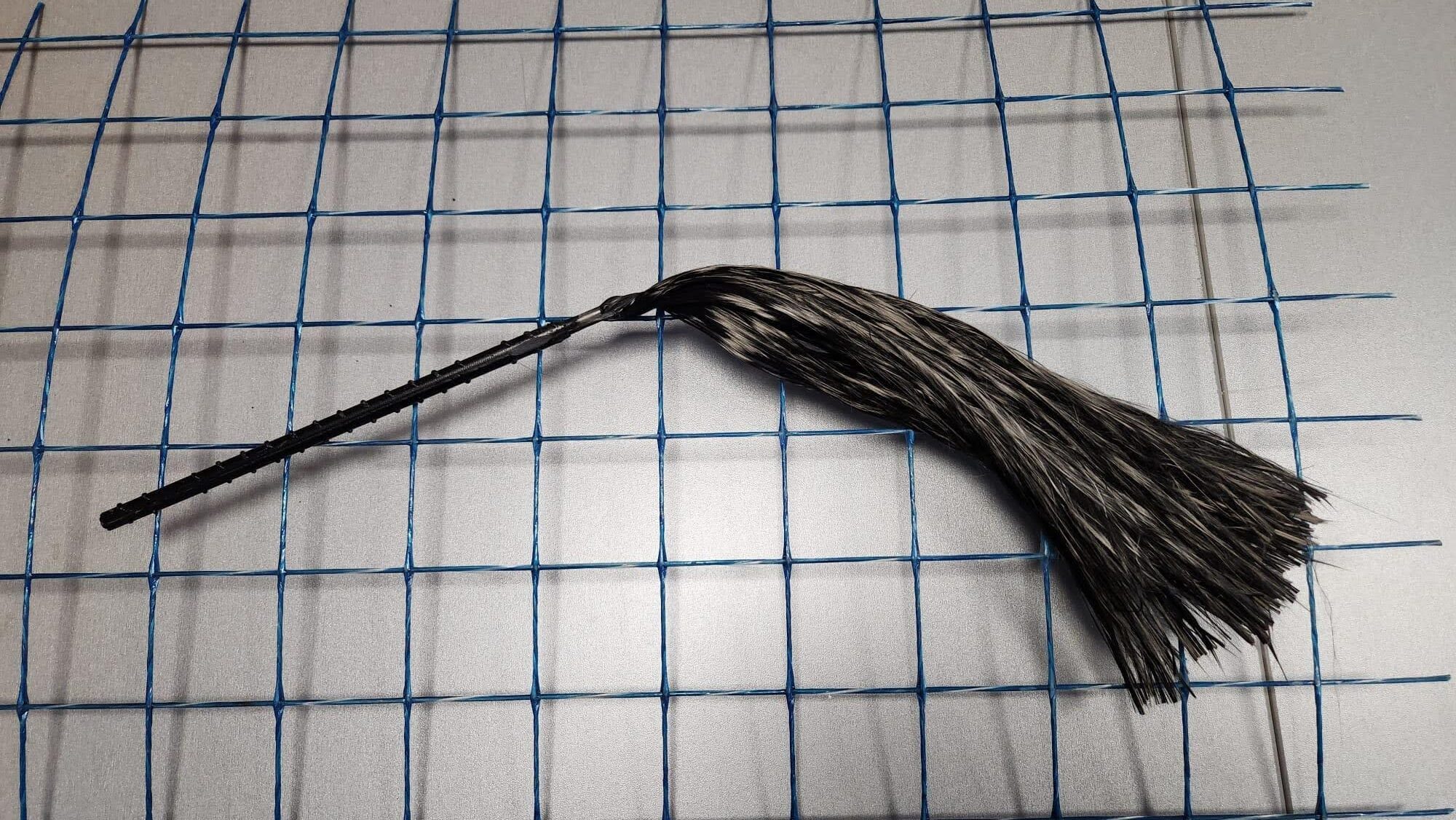
COMPOSITE-TECH FRP ANCHOR PRODUCTION EQUIPMENT
Dedicated Manufacturing Technology for Pre-Cured Composite Connectors
Producing FRP spike anchors requires more than manufacturing conventional composite rebar and cutting it into short lengths. A standard reinforcing bar is generally impregnated and cured along its entire length. A fan anchor is different. Its rigid section must develop the required composite properties, while the opposite fiber section must remain flexible and suitable for subsequent installation. These two requirements must be achieved within one continuous reinforcing element.
Composite-Tech has developed dedicated equipment for manufacturing this type of product. The production concept is designed around forming a controlled rigid composite section while preserving the flexible reinforcing fibers required for the anchor fan.
The Principal Manufacturing Requirements
- Fiber Preparation. Continuous reinforcing fibers must be arranged and guided through the manufacturing process.
- Controlled Resin Impregnation. The intended rigid portion must receive the polymer matrix required to develop its finished composite structure.
- Defined Transition Between Sections. The process must preserve the intended transition from the rigid composite shank to the flexible fiber end.
- Surface Profile Formation. The rigid portion may incorporate a specified surface profile, such as the ribbed geometry shown in Composite-Tech’s development samples.
- Controlled Polymerization. The resin-impregnated section must be cured under appropriate manufacturing conditions.
- Dimensional Consistency. Finished anchors must be manufactured with repeatable rigid-section and flexible-fiber dimensions.
- Product Handling. The flexible fibers must be protected from unnecessary cutting, contamination or damage during finishing and handling.
These requirements distinguish FRP anchor manufacturing from conventional straight-rebar production.
Composite-Tech’s equipment development focuses on creating a repeatable process for manufacturing the two functional sections of an FRP fan anchor.
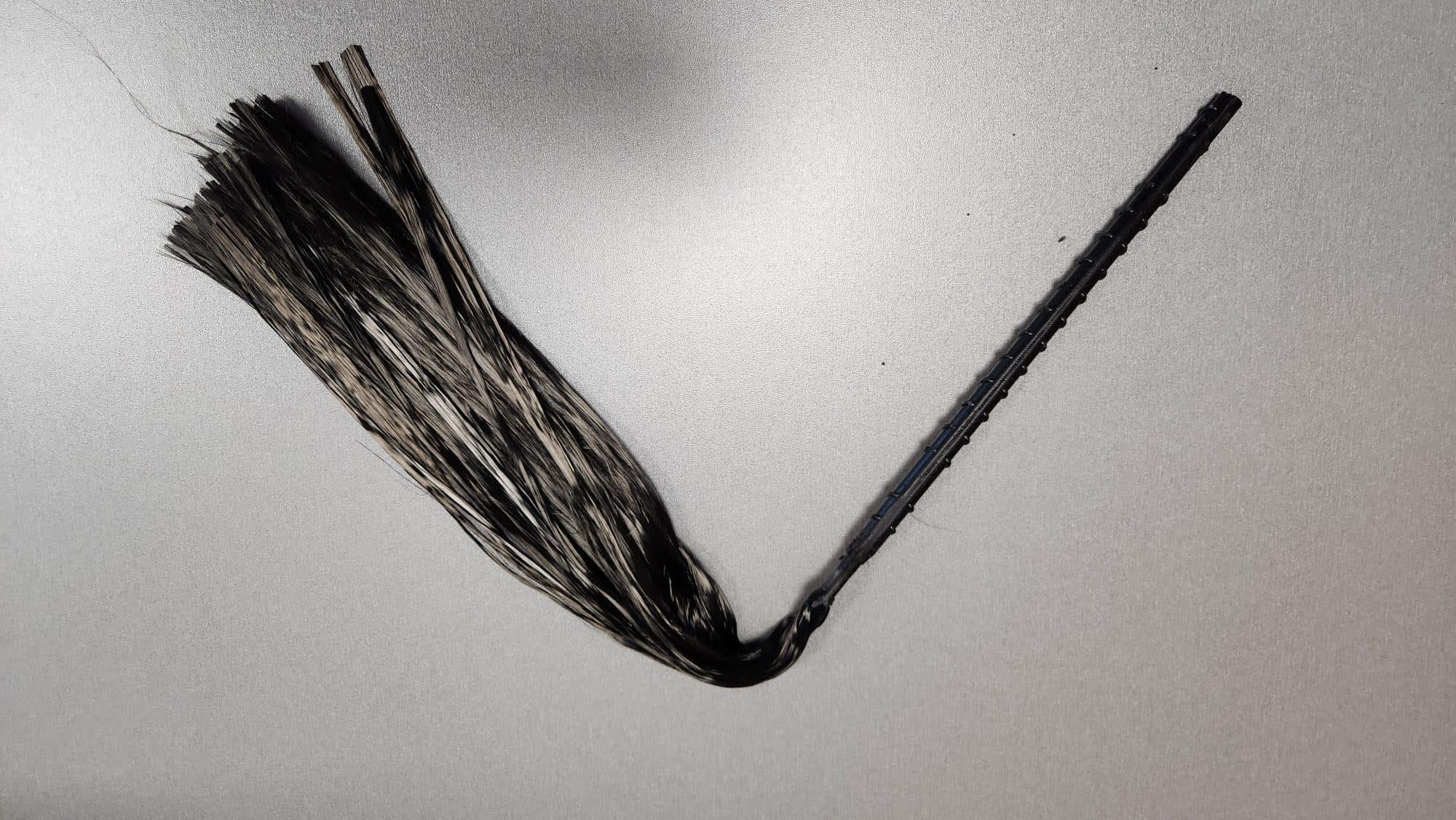
WHY THE RIGID-TO-FLEXIBLE TRANSITION MATTERS
A Critical Feature of FRP Anchor Manufacturing
The transition between the pre-cured shank and the flexible fiber fan is one of the most important features of an FRP spike anchor. The rigid section is intended to transfer forces into the substrate. The flexible section distributes those forces into the external reinforcement system. The transition connects these two functions.
Poorly controlled manufacturing can create inconsistent geometry, damaged filaments or undesirable variations in the composite structure. For this reason, production equipment must be developed around the requirements of the complete anchor rather than treating the flexible end as a secondary feature.
Important quality characteristics include fiber continuity, controlled resin penetration, the condition of the transition zone and the geometry of the pre-cured shank. The appropriate manufacturing controls depend on the selected materials and product specification. Consistent anchor manufacturing begins with controlling the relationship between the rigid composite section and the flexible fiber fan.
COMPOSITE FIBER MATERIALS
Carbon, Glass and Basalt Reinforcement Systems
Different reinforcing fibers can be used to develop composite anchoring products. The choice depends on the intended structural application and required mechanical properties.
Carbon Fiber Anchors
Glass Fiber Anchors
Basalt Fiber Anchors
Material-Specific Production Configuration
Manufacturing flexibility is valuable, but finished-product performance must always be established through appropriate qualification and testing.
MANUFACTURING QUALITY CONTROL
Structural Connectors Require Verified Product Performance
The commercial value of a structural anchor depends on its ability to perform reliably within the intended strengthening system. Appearance alone cannot establish that performance. A professional quality control program should evaluate the manufactured component and, where appropriate, the complete installed anchorage system.
Important characteristics may include:
| Quality Parameter | Purpose |
| Fiber type and specification | Establish reinforcing material properties |
| Rigid-section diameter | Verify geometric consistency |
| Rigid-section length | Verify specified dimensions |
| Flexible-fiber length | Verify anchor fan geometry |
| Fiber continuity | Assess integrity of the reinforcing fibers |
| Impregnação de resina | Evaluate the rigid composite section |
| Grau de cura | Verify polymerization requirements |
| Perfil da superfície | Evaluate specified geometry |
| Transition-zone integrity | Assess continuity between rigid and flexible portions |
| Tensile properties | Evaluate connector mechanical performance |
| Anchorage and pullout behavior | Evaluate installed-system performance |
| Bond with strengthening material | Evaluate the connection to external reinforcement |
The applicable tests depend on the material, substrate, adhesive or mortar system, and intended structural application. A manufacturing machine does not automatically certify the finished anchor for structural use.
The anchor, bonding material, strengthening system and structural substrate must be evaluated as an integrated engineering solution.
FRP ANCHORS AND INTERNATIONAL STRUCTURAL STRENGTHENING STANDARDS
Understanding the Relevant Engineering Framework
FRP anchors are used in construction systems that may be subject to specialized engineering requirements. For example, the American Concrete Institute publishes guidance for externally bonded composite strengthening systems and FRCM reinforcement.
Relevant references include:
- ACI PRC-549.4-20. Guidance for externally bonded fabric-reinforced cementitious matrix and steel-reinforced grout systems used in concrete structural repair and strengthening.
- ACI PRC-549.6-20. Guidance for FRCM and SRG strengthening systems used in masonry structures.
- ICC-ES AC434. Acceptance criteria for evaluation of certain FRCM and SRG composite strengthening systems.
These documents provide technical context for reinforcement systems in which anchoring may play an important role. They do not automatically establish compliance of a particular Composite-Tech machine or anchor product. Product qualification, structural design and installation requirements must be determined for each intended market and application.
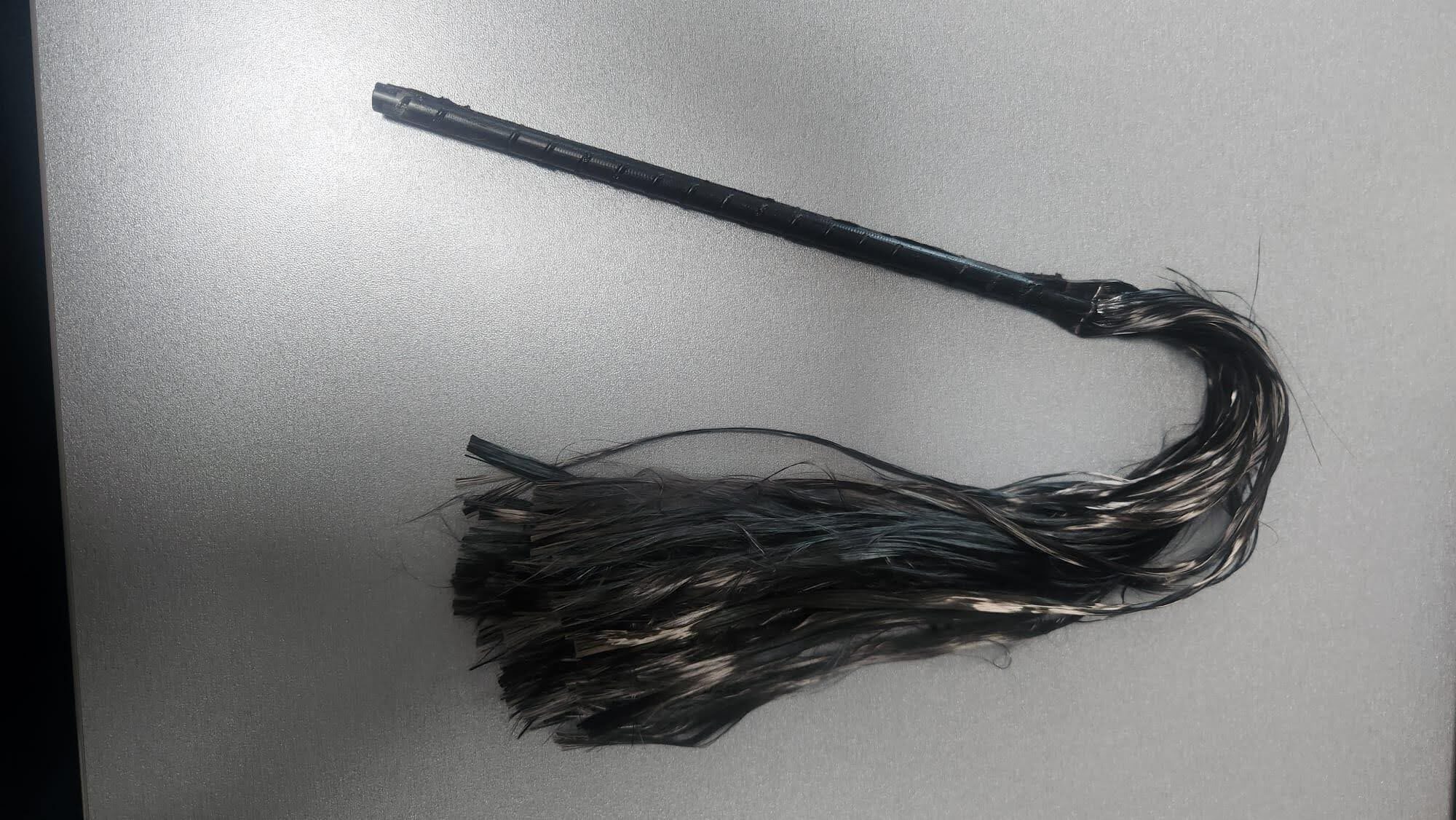
A NEW PRODUCT OPPORTUNITY FOR COMPOSITE MANUFACTURERS
Expand Beyond Conventional GFRP Rebar and Mesh
Many composite manufacturers concentrate on conventional reinforcement products. These include straight GFRP rebar, reinforcement mesh and prefabricated bent elements.
FRP spike anchors belong to a different product category. They are used primarily in structural repair, rehabilitation and strengthening systems. This creates an opportunity to approach companies that specialize in advanced construction materials rather than conventional reinforcement alone.
Potential customers for finished anchors include:
- Manufacturers of CFRP strengthening systems;
- Suppliers of FRCM and TRM materials;
- Structural rehabilitation product manufacturers;
- Construction chemical companies;
- Suppliers of composite materials for seismic upgrading;
- Industrial distributors serving concrete and masonry repair contractors.
For a manufacturer considering this product category, the main commercial questions concern the required anchor specifications, production cost, qualification requirements and demand from established strengthening-system suppliers. Composite-Tech’s new equipment provides a manufacturing platform for developing this specialized category of reinforcement components.
WHY CHOOSE COMPOSITE-TECH?
Composite Manufacturing Experience Applied to Structural Anchors
Composite-Tech develops industrial production equipment for fiber-reinforced polymer products. The company’s equipment portfolio includes technologies for manufacturing composite rebar, reinforcement mesh, bent elements and other specialized FRP products.
The new FRP Spike & Fan Anchor Production Line expands this portfolio into structural anchoring components. Its development draws on Composite-Tech’s experience in continuous reinforcing-fiber processing, composite forming and controlled polymerization. The objective is to provide manufacturers with a dedicated equipment solution for producing anchors that combine a rigid composite shank with a flexible fiber fan.
Complete Project Approach
Composite-Tech can work with prospective manufacturers to evaluate:
- Target anchor geometry;
- Reinforcing fiber selection;
- Required rigid-section dimensions;
- Flexible fiber fan dimensions;
- Polymer resin system;
- Manufacturing requirements;
- Factory layout;
- Product testing and quality control considerations.
The final machine configuration and production parameters are established according to the intended product.
Composite-Tech — Advanced Manufacturing Technology for the Global FRP Industry.
FREQUENTLY ASKED QUESTIONS
What is an FRP spike anchor?
An FRP spike anchor is a fiber-reinforced polymer connector used to anchor composite strengthening materials to an existing structural substrate. Many designs combine a rigid or impregnated anchoring section with flexible fibers that are spread across a reinforcing layer.
What is an FRP fan anchor?
A fan anchor is a fiber-based anchoring element whose flexible reinforcing fibers are distributed in a fan-shaped arrangement during installation. The fan connects the embedded anchorage to the externally applied strengthening system.
What is the difference between a spike anchor and a fan anchor?
The terms are often used for closely related anchoring products. Spike anchor commonly describes the overall anchorage element, while fan anchor emphasizes the spread-fiber configuration used to connect it to an external strengthening layer.
What equipment is needed to manufacture FRP fan anchors?
Manufacturing requires controlled reinforcing-fiber processing, resin impregnation of the intended rigid section, composite formation, polymerization and finishing while preserving the flexible fiber portion. Composite-Tech has developed dedicated equipment for this product category.
What is the purpose of the flexible fiber end?
The flexible fibers are distributed across or within a compatible strengthening system. When properly bonded and detailed, they help create a load-transfer connection between the embedded anchor and the external reinforcement.
Can FRP spike anchors be used with composite reinforcement mesh?
Suitable anchors can be incorporated into selected externally applied mesh and textile strengthening systems. Compatibility depends on the mesh, matrix, substrate, anchor geometry and engineering design.
Are these anchors used in seismic retrofitting?
Are these anchors used in seismic retrofitting?
FRP anchors can form part of strengthening systems used for seismic rehabilitation. Their suitability and contribution must be demonstrated for the intended structural application.
What materials can be used to manufacture FRP anchors?
Carbon, glass and basalt fibers are used in different composite anchoring technologies. The available material options for a particular manufacturing line depend on its engineered configuration and the required product.
Can the equipment manufacture anchors with different dimensions?
The production line is developed around the customer’s required anchor geometry. Available dimensions and manufacturing tolerances are established in the technical specification for the selected configuration.
What is the production capacity of the Composite-Tech anchor line?
Production capacity depends on the finished anchor dimensions, reinforcing material and machine configuration. Confirmed production figures are provided in the technical quotation.
Is the machine suitable for manufacturing carbon fiber anchors?
Carbon fiber spike anchors are a principal target product category for this technology. The final fiber compatibility and manufacturing parameters must be confirmed for the selected equipment configuration.
What is the price of the FRP Spike & Fan Anchor Production Line?
Equipment pricing depends on the required manufacturing configuration, automation and product specifications. Contact Composite-Tech for a detailed technical and commercial proposal.
START MANUFACTURING FRP STRUCTURAL ANCHORS WITH COMPOSITE-TECH
Dedicated Equipment for a Specialized Composite Reinforcement Market
Composite structural strengthening is an established field of engineering that relies on reinforcement materials, bonding systems and specialized connecting components. FRP spike and fan anchors play an important role in selected applications by helping transfer forces between externally applied composite reinforcement and existing structural substrates.
Composite-Tech has developed dedicated manufacturing technology for producing these anchors. The equipment is intended for manufacturers seeking to develop pre-cured composite anchoring products with flexible reinforcing-fiber ends. Whether your project involves carbon fiber strengthening systems, composite textile reinforcement or specialized structural connectors, Composite-Tech can help evaluate the equipment requirements.
Request Your FRP Anchor Manufacturing Proposal
Contact our engineering team to discuss your intended products and manufacturing project.
Composite-Tech — Advanced Manufacturing Solutions for FRP Structural Reinforcement.