
Apresentando o vergalhão de basalto
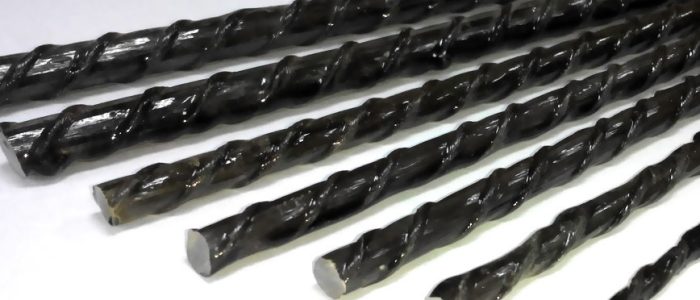
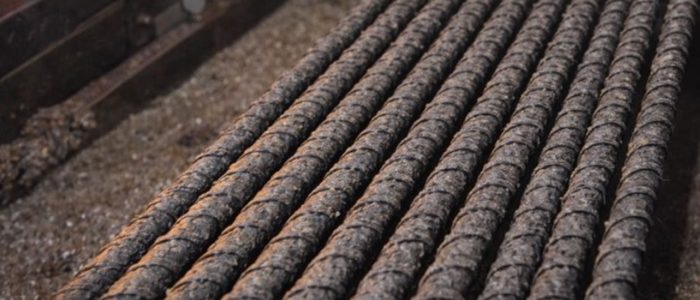
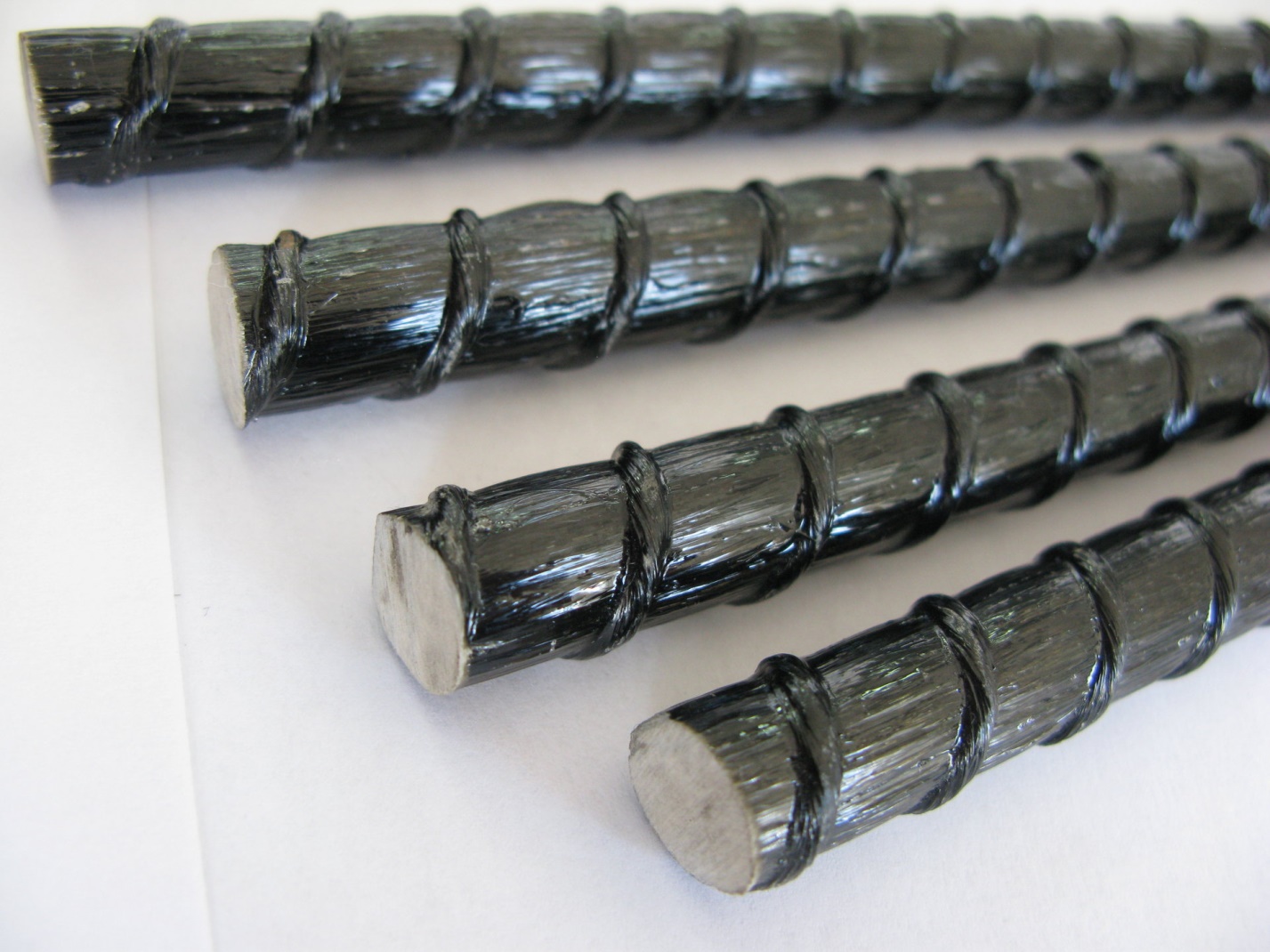
A armadura de basalto (barra de polímero reforçado com fibra de basalto) é um reforço composto moderno, feito de fibras contínuas de basalto incorporadas em uma matriz polimérica. Produzida a partir de rocha vulcânica natural, oferece alta resistência, baixo peso e excepcional resistência à corrosão em comparação com o reforço de aço tradicional. Além disso, a armadura de basalto não é condutora, possui baixa condutividade térmica e proporciona durabilidade a longo prazo em ambientes agressivos. A armadura de basalto é uma solução segura, durável e econômica que garante desempenho a longo prazo, reduzindo os custos de manutenção e do ciclo de vida em projetos de construção modernos.

Estruturas marinhas e costeiras
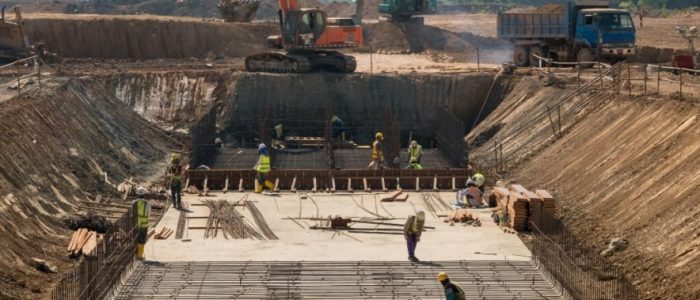
A resistência à corrosão do vergalhão de basalto o torna ideal para pontes costeiras e infraestrutura marítima.

Pontes, rodovias, túneis
Em ambientes com alta concentração de sal, as barras de reforço de BFRP previnem danos relacionados à corrosão.

Concreto exposto a ambientes químicos agressivos
As barras de basalto oferecem durabilidade a longo prazo em condições quimicamente agressivas.

Fundações, lajes e elementos pré-fabricados de concreto.
A armadura de fibra de basalto garante reforço livre de corrosão e longa vida útil.
Construção de estradas
A armadura de basalto aumenta a durabilidade do pavimento e sua resistência à exposição ambiental.

Edifícios residenciais e industriais
As barras de reforço de BFRP melhoram a durabilidade estrutural e reduzem as necessidades de manutenção.
Benefícios do vergalhão BFRP
- Excelente resistência à corrosão. A corrosão é um grande desafio em projetos de construção que dependem de vergalhões de aço. A substituição do aço por vergalhões de basalto elimina esse problema de forma eficaz, já que o basalto é derivado de rocha vulcânica natural e é inerentemente não corrosivo, garantindo maior durabilidade e confiabilidade estrutural a longo prazo.
- Altamente resistente a produtos químicos. A armadura de basalto demonstra excelente resistência a uma ampla gama de produtos químicos, incluindo ácidos, álcalis e sais. Isso a torna uma solução de reforço ideal para estruturas de concreto expostas a ambientes químicos agressivos, garantindo durabilidade a longo prazo sem degradação.
- Leve. A armadura de basalto é significativamente mais leve que a de aço, facilitando o manuseio e a instalação.
- Alta resistência. As barras de reforço de BFRP possuem alta resistência à tração, proporcionando reforço confiável para o concreto e aumentando a durabilidade das estruturas.
Vergalhão de basalto versus vergalhão de aço
Propriedades comparativas de BFRP e vergalhões de aço
| Características | vergalhão BFRP | Barra de aço |
|---|---|---|
| Resistência à corrosão em ambientes agressivos | Não corrosivo | Corrosivo |
| Resistência à corrosão | Altamente não condutivo | Baixo |
| Condutividade elétrica | Não condutivo | Condutor |
| Condutividade térmica | Baixo | Alto |
| Resistência à tração, MPa | 850–1200 | 500-700 |
| Resistência à compressão, MPa | 550 | 400 |
| Módulo de elasticidade, Gpa | 65 | 160-200 |
| Densidade, kg/m3 | 2100 | 7800 |
| Faixa de temperatura de trabalho, ºС | de -70 a +100˚C | –70…+50 |
| Propriedades magnéticas | Diamagneto | Condutor |
| Durabilidade | Não menos de 80 anos | De acordo com os códigos de construção |
VANTAGENS DE UTILIZAR BARRAS DE AÇO DE BASALTO DA COMPOSITE-TECH
- A armadura de basalto produzida nas linhas de fabricação avançadas da Composite-Tech garante alta qualidade e desempenho consistentes.
- Sua resistência superior à corrosão e suas propriedades de leveza fazem dele uma solução de reforço ideal para projetos de construção modernos.
- A armadura de basalto da Composite-Tech reduz os custos de manutenção e prolonga a vida útil de estruturas de concreto em ambientes agressivos.
A armadura de basalto da Composite-Tech representa uma solução de ponta em materiais de construção, combinando resistência excepcional, durabilidade e resistência ambiental. Sua aplicação em diversos projetos de construção civil e infraestrutura garante maior integridade estrutural e economia de custos a longo prazo, tornando-a a melhor escolha para as exigentes necessidades da construção atual.