
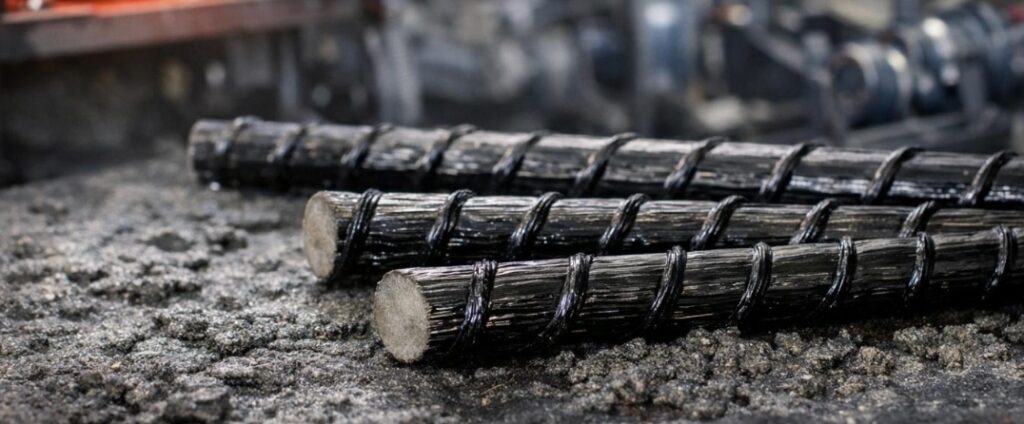
पिछले कुछ वर्षों में, खोज ट्रैफ़िक “बेसाल्ट रीबार उत्पादन लाइन”, “बेसाल्ट फाइबर रीबार मशीन” और “बीएफआरपी रीबार उपकरण” इसमें जबरदस्त उछाल आया है। निवेशक और इंजीनियर जंग-मुक्त सुदृढ़ीकरण की मांग को देख रहे हैं और अपने स्वयं के बीएफआरपी संयंत्र शुरू करना चाहते हैं।
पहली नज़र में, बाज़ार सरल लगता है: आप एक पल्ट्रूज़न लाइन खरीदते हैं, उसमें बेसाल्ट फाइबर और रेज़िन डालते हैं, और आपको बेसाल्ट रीबार मिल जाता है। व्यवहार में, अंतर सामान्य पुल्ट्रूज़न उपकरण और एक आधुनिक कंपोजिट-टेक बेसाल्ट रीबार उत्पादन लाइन यही अंतर है एक ऐसे बार के बीच जो सिर्फ "ठीक-ठाक दिखता है" और एक ऐसे बार के बीच जो लगातार मांग वाले डिजाइन मूल्यों और अंतरराष्ट्रीय मानकों को पूरा करता है (और अक्सर उनसे आगे निकल जाता है)।
यह लेख चरण दर चरण इसकी व्याख्या करता है।
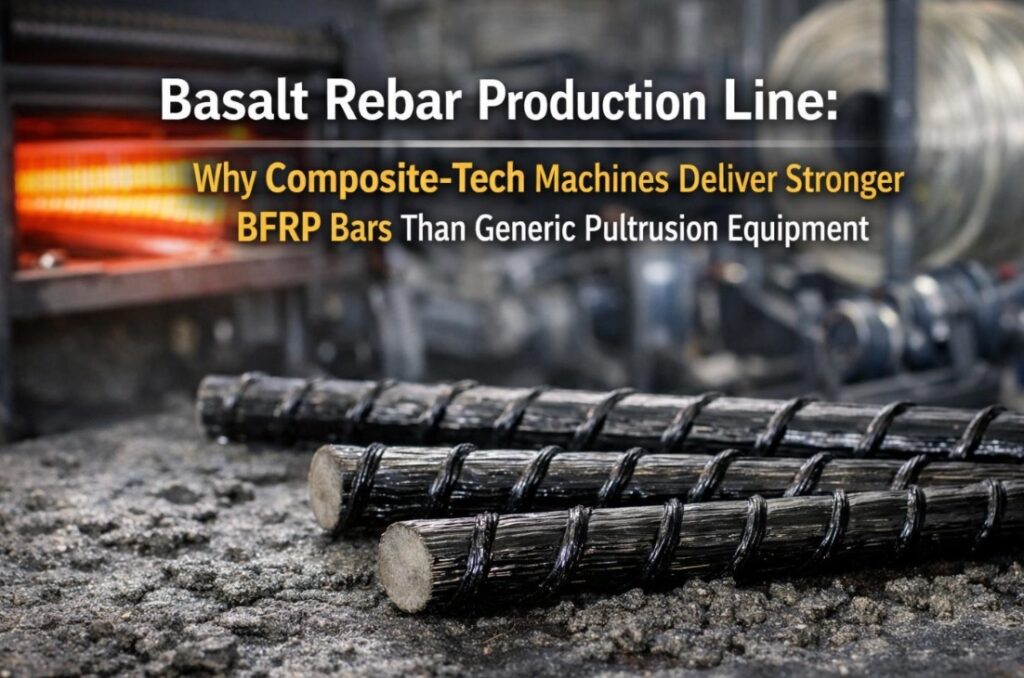
बेसाल्ट रीबार (बीएफआरपी) को सही तरीके से करना क्यों फायदेमंद है?
बेसाल्ट फाइबर प्रबलित पॉलिमर (बीएफआरपी) रीबार यह मार्केटिंग की देन नहीं है। स्टील की तुलना मेंविशिष्ट तकनीकी आंकड़े दर्शाते हैं:
- घनत्व के आसपास 1.9–2.1 ग्राम/सेमी³ बेसाल्ट रीबार बनाम के लिए 7.8–7.9 ग्राम/सेमी³ इस्पात के लिए,
- बीएफआरपी बार की तन्यता शक्ति ≥850 एमपीए स्टील के लिए लगभग 500 एमपीए की तुलना में,
- बीएफआरपी का प्रत्यास्थता मापांक लगभग 40–55 जीपीए स्टील के लिए 200 जीपीए की तुलना में।
तो बीएफआरपी रीबार इस प्रकार है:
- अधिकता हल्का,
- काफी तनाव में अधिक मजबूत,
- गैर संक्षारक और कई आक्रामक वातावरणों में रासायनिक रूप से निष्क्रिय होता है।
- तापीय और विद्युत रूप से गैर-चालकजो कुछ अवसंरचना और औद्योगिक परियोजनाओं के लिए महत्वपूर्ण है।
इन गुणों के कारण ही डिजाइनर पुलों के डेक, तटीय संरचनाओं, औद्योगिक फर्शों और दीर्घकालिक बुनियादी ढांचे में बीएफआरपी और जीएफआरपी बार का उपयोग तेजी से कर रहे हैं।
लेकिन वास्तविक परियोजनाओं में इन लाभों को प्राप्त करने के लिए, प्रोडक्शन लाइन बार्स को विश्वसनीय रूप से वितरित करना आवश्यक है:
- उच्च और पुनरावर्ती तन्यता शक्ति,
- सही मापांक और फाइबर आयतन अंश,
- उत्कृष्ट रेजिन वेट-आउट और न्यूनतम रिक्त स्थान,
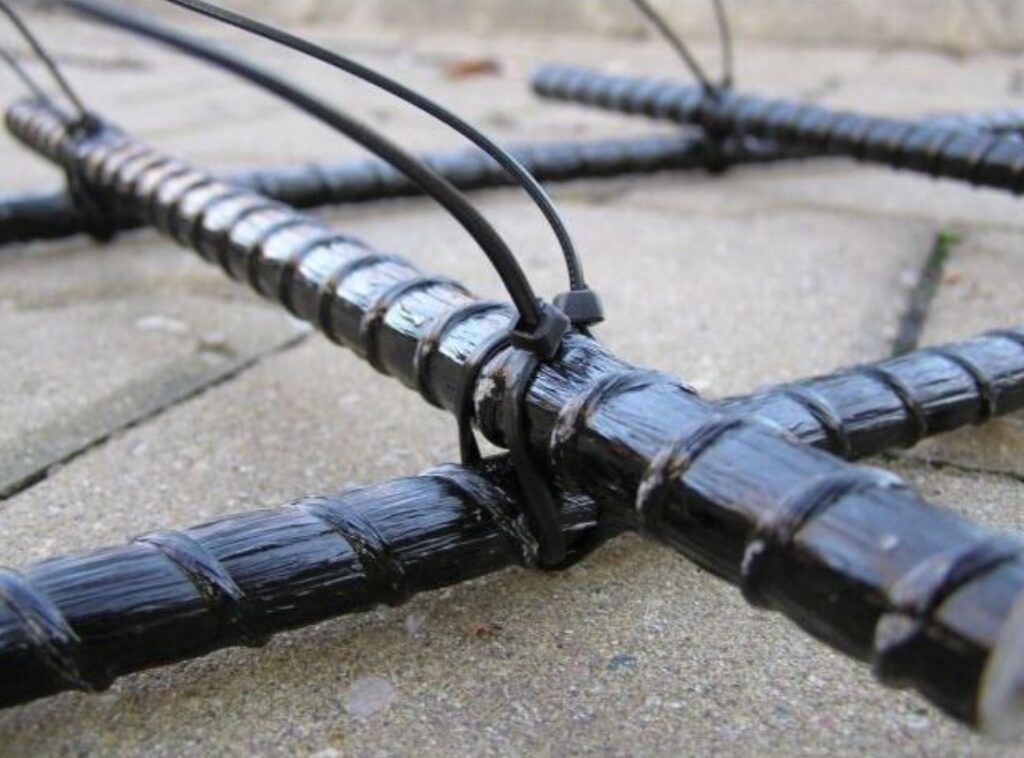
- कंक्रीट से मजबूत बंधन के लिए स्थिर ज्यामिति और सतह की पसलियां।
यहीं पर उपकरण डिजाइन महत्वपूर्ण हो जाता है।
एक सामान्य पल्ट्रूज़न-आधारित बीएफआरपी रीबार लाइन कैसी दिखती है
अधिकांश सामान्य एफआरपी रीबार मशीनें बाजार में उपलब्ध पुल्ट्रूज़न डिज़ाइन बहुत ही बुनियादी पैटर्न पर आधारित होते हैं:
- घूमने वाला रैक यह कांच या बेसाल्ट फाइबर को फीड करता है।
- रेशों को एक माध्यम से खींचा जाता है एकल राल स्नान.
- गीला बंडल एक से होकर गुजरता है गर्म डाई उपचार के लिए।
- एक साधारण खींचने ठीक हुए प्रोफाइल को आगे खींचता है।
- ए काटने की इकाई बार को लंबाई में काटता है।
कुछ “बेसाल्ट रीबार उत्पादन लाइन” के विवरणों में प्रीफॉर्मिंग और वाइंडिंग का उल्लेख होता है, लेकिन वास्तविकता में कई कम लागत वाली प्रणालियाँ केवल सामान्य पल्ट्रूज़न मशीनें इसके ऊपर पसलियों के आकार का घुमावदार सिर जोड़ा गया है।
साधारण एफआरपी प्रोफाइल के लिए यह पर्याप्त हो सकता है। उच्च-प्रदर्शन बेसाल्ट रीबारहालांकि, इसकी कमियां स्पष्ट हैं:
- कोई नियंत्रित नहीं पूर्व ताप रोविंग्स के मामले में → अवशिष्ट नमी और सिलान राल के प्रवेश को प्रतिबंधित करते हैं;
- एक एकल, अक्सर खराब तरीके से मिश्रित रेजिन स्नान → असमान गीलापन, फंसी हुई हवा;
- एक हीटिंग ज़ोन → अधपके कोर या जली हुई सतह का खतरा;
- तुरंत ठंडे पानी में डुबकी लगाओ → ऊष्मीय आघात, राल में सूक्ष्म दरारें;
- सीमित या निश्चित रिब कोण और पिच → बॉन्ड का प्रदर्शन उम्मीद के मुताबिक नहीं है;
- कम, अस्थिर फाइबर तनाव → बार के साथ-साथ लहरदारपन, फाइबर का गलत संरेखण और गैर-समान गुणधर्म।
कागजों पर, ऐसी लाइन अभी भी "बीएफआरपी रीबार" का उत्पादन करती है। वास्तविक परीक्षण में, ये छड़ें अक्सर घोषित तन्यता शक्ति तक पहुंचने या गंभीर अवसंरचना परियोजनाओं के लिए निर्धारित योग्यता प्रक्रियाओं को पूरा करने में विफल रहती हैं।
कंपोजिट-टेक की बेसाल्ट रीबार के लिए पेटेंट प्रक्रिया श्रृंखला
कंपोजिट-टेक ने बेसाल्ट और ग्लास एफआरपी रीबार के लिए विपरीत दिशा से दृष्टिकोण अपनाया: सबसे पहले यह समझना कि मानक, इंजीनियर और टिकाऊपन परीक्षण मांग, और फिर डिजाइन करना उत्पादन लाइन जो संरचनात्मक रूप से उस स्तर का प्रदर्शन प्रदान करती है.
कंपनी के तकनीकी दस्तावेज़ और अक्सर पूछे जाने वाले प्रश्नों (FAQ) के अनुसार, प्रत्येक उत्पाद का मूल तत्व कंपोजिट-टेक जीएफआरपी/बीएफआरपी रीबार उत्पादन लाइन यह एक पेटेंटकृत तकनीकी श्रृंखला है: नियंत्रित रोविंग प्री-हीटिंग, तीन-चरण राल संसेचन, किसी भी कोण पर प्रोग्राम करने योग्य रिब वाइंडिंग, शॉर्ट-वेव इन्फ्रारेड बूस्टर ओवन और दो-चरण शीतलन (हवा + पानी)।
आइए प्रत्येक चरण को देखें और यह समझें कि यह विशेष रूप से किसके लिए महत्वपूर्ण है। बेसाल्ट फाइबर.
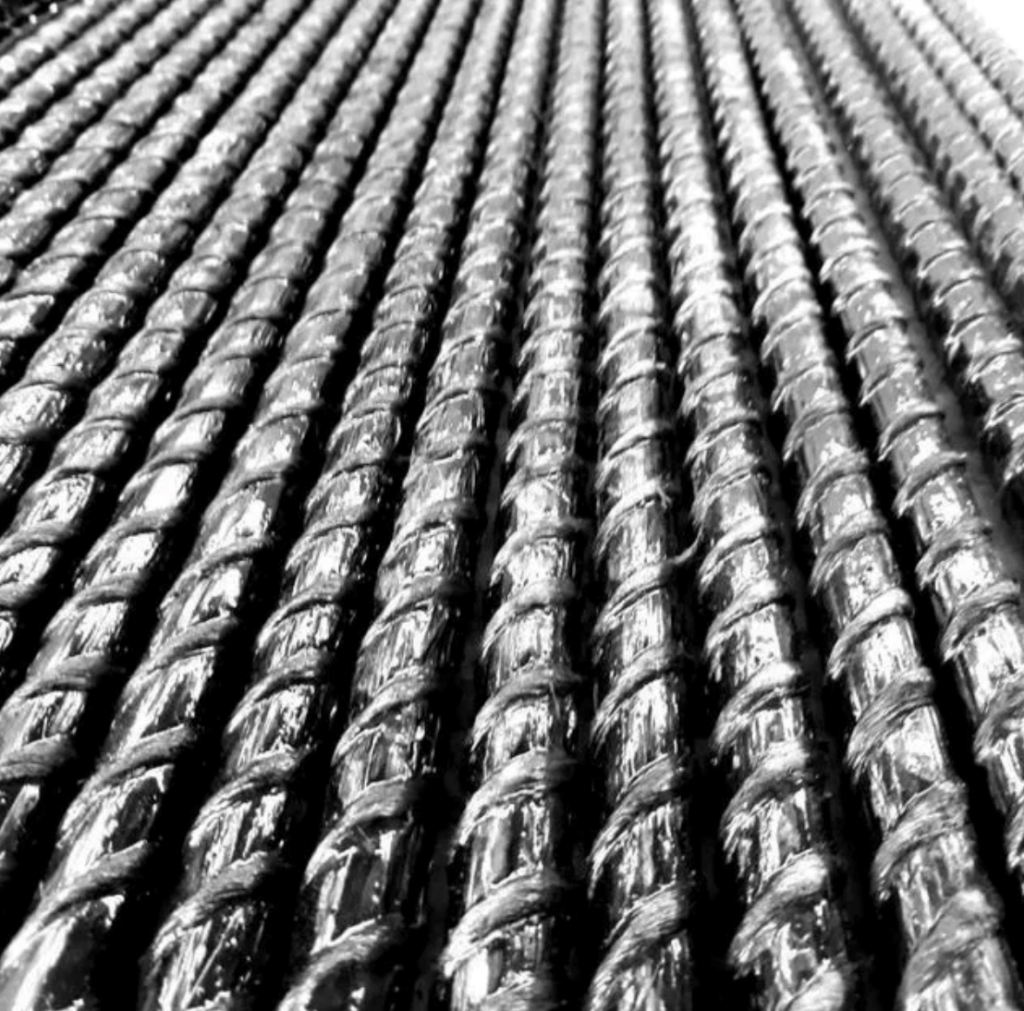
रोविंग प्री-हीटिंग: नमी और सिलान अवशेषों को हटाना
बेसाल्ट और ग्लास रोविंग पर आमतौर पर सिलान साइजिंग की परत चढ़ी होती है और भंडारण और हैंडलिंग के दौरान ये नमी सोख सकते हैं। नमी और अतिरिक्त साइजिंग दोनों ही इस प्रकार कार्य करते हैं। बाधाएं रेजिन के प्रवेश के लिए।
कंपोजिट-टेक लाइन की शुरुआत इससे होती है प्री-हीटिंग मॉड्यूल वह:
- यह धीरे-धीरे रोविंग को नियंत्रित तापमान तक गर्म करता है।
- अतिरिक्त नमी को हटाता है।
- सतह पर लगाए गए साइजिंग को आंशिक रूप से सक्रिय करता है या वाष्पीकृत करता है।
यह कदम फाइबर बंडल को खोलता है संसेचन क्षेत्र में अधिक गहराई तक नमी पहुंचाने के लिए। सामान्य पल्ट्रूज़न लाइनें आमतौर पर इस प्रक्रिया को पूरी तरह से छोड़ देती हैं।
बेसाल्ट फाइबर के लिए, जिनमें अपेक्षाकृत सघन पैकिंग और उच्च कठोरता हो सकती है, यह पूर्व-अनुकूलन सीधे तौर पर प्रभावित करता है कि राल कितनी अच्छी तरह से फिलामेंट बंडल को गीला और बांध सकता है।
ट्रिपल इम्प्रग्नेशन: न्यूमेटिक स्क्वीज़िंग, अल्ट्रासोनिक एक्टिवेशन और प्रिसिजन ग्रिड
एक साधारण स्नान प्रक्रिया में, रेशे रोलर्स द्वारा निर्देशित राल से होकर गुजरते हैं। कंपोजिट-टेक एक तीन-चरण संसेचन प्रणाली:
- वायवीय निचोड़ – यांत्रिक दबाव रेज़िन को अलग-अलग फिलामेंट बंडलों के बीच धकेलता है, जिससे हवा बाहर निकल जाती है।
- अल्ट्रासोनिक संसेचन अल्ट्रासोनिक ऊर्जा सतही तनाव को तोड़ती है और राल को सबसे छोटे तंतुओं तक पहुंचने में मदद करती है।
- विशेष ग्रिड / अंशांकन प्लेट – यह बंडल को आकार देता है, आगे संसेचन को बढ़ावा देता है और नियंत्रित राल सामग्री तक पहुंचने के लिए अतिरिक्त राल को हटाता है।
परिणाम यह है उच्च फाइबर वॉल्यूम अंश, अधिक समान गीलापन और कम रिक्त स्थान – ठीक वही सूक्ष्म संरचनात्मक कारक जिन्हें अनुसंधान एफआरपी बार में बेहतर तन्यता शक्ति और थकान प्रतिरोध से जोड़ता है।
के लिए बेसाल्ट रीबारजहां कच्चे फाइबर में ही बहुत उच्च तन्यता शक्ति (कई GPa तक) होती है, वहां उच्च स्तरीय BFRP बार प्रदर्शन प्राप्त करने के लिए गहरे संसेचन के माध्यम से प्रभावी फाइबर उपयोग को अधिकतम करना महत्वपूर्ण है।
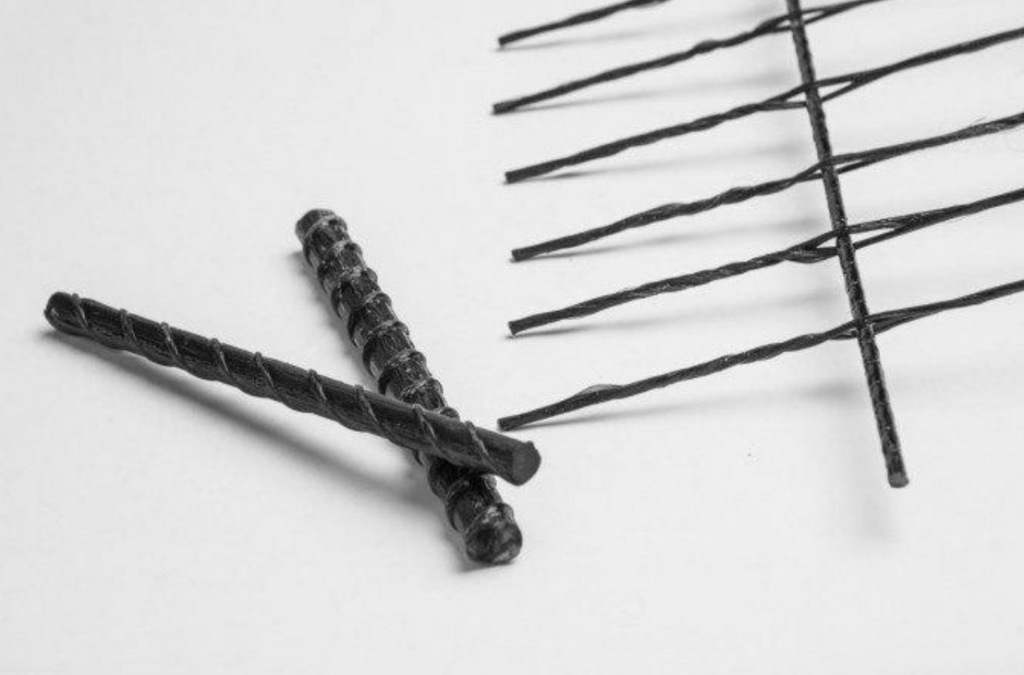
किसी भी कोण पर प्रोग्राम करने योग्य रिब वाइंडिंग
कंक्रीट से बंधन मुख्य रूप से निम्नलिखित कारकों द्वारा नियंत्रित होता है:
- सतह की ज्यामिति (पसलियां, खांचे, रेत की परत) और
- छड़ और कंक्रीट की सापेक्षिक कठोरता।
कम्पोजिट-टेक मशीनें सीटी-4 और सीटी-6 एक प्रोग्राम करने योग्य शामिल करें रिब-वाइंडिंग मॉड्यूल यह अनुमति देता है:
- आभासी रूप से किसी भी रिब कोण और पिच,
- खींचने की गति के साथ उच्च गति, सिंक्रनाइज़्ड वाइंडिंग,
- सभी बार और उत्पादन शिफ्टों में एकसमान ज्यामिति।
यह तब महत्वपूर्ण होता है जब आप पुलों के डेक, पार्किंग संरचनाओं या औद्योगिक स्लैब जैसे उच्च-बंधन अनुप्रयोगों के लिए बीएफआरपी बार डिजाइन करते हैं, और जब आप इंजीनियरिंग कार्यालयों या प्रमाणन निकायों द्वारा उपयोग किए जाने वाले विशिष्ट परीक्षण प्रोटोकॉल से मेल खाना चाहते हैं।
कई सामान्य "बेसाल्ट रीबार मशीनें" या तो रिब कोण को यांत्रिक रूप से ठीक करती हैं या केवल बहुत मोटे समायोजन की सुविधा प्रदान करती हैं, जो बॉन्ड व्यवहार के अनुकूलन को सीमित करता है।
शॉर्ट-वेव इन्फ्रारेड बूस्टर ओवन: अंदर से बाहर की ओर क्योरिंग
मानक पल्ट्रूज़न लाइनें मुख्य रूप से कंपोजिट को गर्म करती हैं बाहर कॉन्टैक्ट हीटर या लॉन्ग-वेव IR के ज़रिए। अगर कोर ठंडा रहते हुए सतह ज़्यादा गरम हो जाती है, तो आपको ये परिणाम मिल सकते हैं:
- अधपकी आंतरिक राल,
- अत्यधिक पकी हुई या जली हुई सतह,
- अवशिष्ट तनाव और सूक्ष्म दरारें।
कंपोजिट-टेक एकीकृत करता है शॉर्ट-वेव इन्फ्रारेड बूस्टर ओवन जो अनुप्रस्थ काट में अधिक गहराई तक प्रवेश करते हैं, जो:
- बहुलकीकरण शुरू होता है अंदर से,
- इससे तापमान का अधिक समान वितरण सुनिश्चित होता है।
- सतह पर आग लगने का खतरा कम करता है।
- दी गई लाइन गति पर पूर्ण उपचार प्राप्त करने के लिए आवश्यक दूरी को कम करता है।
बेसाल्ट फाइबर के लिए, जो उच्च तापमान को सहन कर सकता है, यह दृष्टिकोण आपको सतह की गुणवत्ता का त्याग किए बिना राल प्रणाली को उसके इष्टतम इलाज प्रोफ़ाइल के करीब ले जाने की अनुमति देता है।
दो चरणों वाली शीतलन प्रणाली: ऊष्मीय आघात से बचने के लिए वायु + जल।
जब कोई बार क्योरिंग ओवन से बाहर निकलता है, तो उसकी सतह का तापमान आमतौर पर इससे अधिक होता है। 200 डिग्री सेल्सियससामान्य उपकरणों में, इसे अक्सर ठंडा करने और स्थिरीकरण के लिए सीधे ठंडे पानी के स्नान में डुबो दिया जाता है। यह सरल प्रोफाइल के लिए स्वीकार्य हो सकता है, लेकिन इससे समस्याएँ उत्पन्न होती हैं। थर्मल शॉक सरिया में:
- कोर के गर्म होने के दौरान सतह तेजी से सिकुड़ती है।
- रेजिन में सूक्ष्म दरारें और अवशिष्ट तनाव विकसित हो जाते हैं।
- दीर्घकालिक स्थायित्व और थकान प्रतिरोध क्षमता प्रभावित होती है।
कंपोजिट-टेक मशीनें उपयोग करती हैं दो-चरण शीतलन:
- हवा ठंडी करना – यह अधिकतम ऊष्मा को दूर करता है और तापमान प्रवणता को समतुल्य बनाता है।
- पानी की मदद से ठंडा करने वाले उपकरण – यह सही समय पर शीतलन प्रक्रिया पूरी करता है और पोस्ट-क्योरिंग को रोक देता है।
यह मामूली सी दिखने वाली बात आंतरिक तनाव और सतह पर होने वाली सूक्ष्म दरारों को काफी हद तक कम कर देती है - जो आक्रामक वातावरण में बीएफआरपी रीबार के लंबे जीवन के लिए एक महत्वपूर्ण कारक है।
उच्च, नियंत्रित फाइबर तनाव और प्रीमियम घटक
पेटेंट प्रक्रिया श्रृंखला के अलावा, कंपोजिट-टेक लाइनें निम्नलिखित बातों को ध्यान में रखकर इंजीनियर की गई हैं:
- तनाव-नियंत्रित घूमने वाले रैक और खींचने वाले उपकरणजो रेशों को सीधा और संरेखित रखते हैं;
- मजबूत, सर्वो-चालित कर्षण और कटाई;
- नियंत्रण प्रणालियाँ जो विभिन्न व्यास और सामग्रियों के लिए व्यंजनों को संग्रहीत और पुन: प्रस्तुत करती हैं;
- से घटक यूरोपीय, अमेरिकी और जापानी ब्रांडइसका अर्थ है निर्यात संयंत्रों के लिए स्थिर संचालन और आसान प्रमाणीकरण।
बेसाल्ट फाइबर के लिए उच्च, स्थिर तनाव विशेष रूप से महत्वपूर्ण है, जिनकी कठोरता और भंगुरता के कारण फिलामेंट के मुड़ने और गलत संरेखण से बचने के लिए सावधानीपूर्वक हैंडलिंग की आवश्यकता होती है।
यांत्रिक प्रदर्शन के संदर्भ में इसका क्या अर्थ है?
बीएफआरपी बार के लिए प्रकाशित आंकड़ों से पता चलता है कि अच्छी तरह से उत्पादित बेसाल्ट रीबार निम्नलिखित स्तर तक पहुंच सकता है:
- तन्यता शक्ति तक 1200 एमपीए (सामान्य स्टील की तुलना में लगभग 2.4 गुना),
- मापांक के आसपास 55–90 जीपीए,
- घनत्व इस्पात के घनत्व के एक तिहाई से भी कम।
व्यवहार में, बार से सामान्य पुल्ट्रूज़न लाइनें अक्सर इस सीमा के निचले सिरे पर आते हैं, खासकर तब जब:
- खराब संसेचन के कारण फाइबर का आयतन अंश कम है।
- रिक्ति सामग्री अधिक है,
- उपचार और शीतलन अनियंत्रित हैं।
दूसरी ओर, कंपोजिट-टेक के ग्राहक अपनी बेसाल्ट रीबार उत्पादन लाइनों को विशेष रूप से लक्षित आवश्यकताओं को पूरा करने के लिए कॉन्फ़िगर करते हैं। यांत्रिक गुणों की ऊपरी सीमा और परियोजना विनिर्देशों का अनुपालन करने के लिए, जो इस पर आधारित हैं। एसीआई, एएसटीएम और एफआरपी सुदृढ़ीकरण के लिए स्थानीय डिजाइन दिशानिर्देश।
इसका परिणाम केवल "स्वीकार्य" सरिया ही नहीं है, बल्कि बीएफआरपी बार जो लगातार तृतीय-पक्ष परीक्षण और प्रमाणन में उत्तीर्ण होते हैंइससे छोटे निजी परियोजनाओं के बजाय मांग वाले बुनियादी ढांचा बाजारों के द्वार खुल जाएंगे।
व्यापार पर प्रभाव: निवेशक बीएफआरपी संयंत्रों के लिए कंपोजिट-टेक को क्यों चुनते हैं?
विशुद्ध आर्थिक दृष्टिकोण से, बेसाल्ट रीबार संयंत्र का अस्तित्व या विफलता इन बातों पर निर्भर करती है:
- उपज (आपके फाइबर और रेजिन का कितना हिस्सा बिक्री योग्य बार बनता है),
- स्क्रैप दर (टूट-फूट, खराबी या अस्थिरता के कारण आपको कितने मीटर का नुकसान होता है?),
- लाइन की गति और अपटाइम,
- पहुँचने की क्षमता प्रीमियम बाज़ार केवल कीमत के आधार पर प्रतिस्पर्धा करने के बजाय।
कंपोजिट-टेक की बेसाल्ट रीबार उत्पादन लाइनें सीधे तौर पर इन बिंदुओं को संबोधित करती हैं:
- बेहतर संसेचन और उपचार → आंतरिक दोषों में कमी → उत्पादन में कम रुकावटें और कम अस्वीकृत उत्पाद।
- स्थिर ज्यामिति और रिब गुणवत्ता → कटाई, बंडलिंग और गुणवत्ता नियंत्रण में आसानी।
- दो-चरणीय शीतलन और उच्च फाइबर तनाव → डाई का जीवनकाल लंबा, डाउनटाइम कम, यांत्रिक गुणों की पूर्वानुमान्यता अधिक।
- दस्तावेज़ीकरण और प्रक्रिया विधियाँ मानकों (ASTM, ACI, ISO) के अनुरूप → इंजीनियरों द्वारा सुगम प्रमाणीकरण और स्वीकृति।
एक निवेशक जो बेतरतीब ढंग से "बेसाल्ट रीबार मशीन" खरीदता है, उसे एक पल्ट्रूज़न डिवाइस मिलती है। एक निवेशक जो इसे स्थापित करता है... कंपोजिट-टेक बेसाल्ट रीबार उत्पादन लाइन मिलता है पूरी प्रक्रिया सामग्री, मानकों और व्यावसायिक मॉडल को ध्यान में रखकर डिजाइन किया गया।
जाँच सूची: बेसाल्ट रीबार निर्माण उपकरण में किन बातों पर ध्यान देना चाहिए
यदि आप किसी वस्तु के लिए ऑफ़र की तुलना कर रहे हैं बेसाल्ट रीबार उत्पादन लाइनइस चेकलिस्ट का उपयोग करें:
- क्या नियंत्रित घूर्णनशील पूर्व-तापन की सुविधा है?
- यदि ऐसा नहीं होता है, तो कम नमी और अधिक परिवर्तनशीलता की उम्मीद करें।
- गर्भाधान की कितनी अवस्थाएँ होती हैं, और क्या इसमें अल्ट्रासोनिक सक्रियण शामिल है?
- सिंगल स्टैटिक रेजिन बाथ = जेनेरिक सॉल्यूशन।
- यांत्रिक निचोड़ने और अल्ट्रासोनिक तकनीक के साथ बहु-चरणीय प्रक्रिया = उन्नत समाधान।
- क्या यह मशीन अलग-अलग बार साइज और बाजार की आवश्यकताओं के अनुसार रिब एंगल और पिच को प्रोग्रामेटिक रूप से समायोजित कर सकती है?
- किस प्रकार के ओवन का उपयोग किया जाता है?
- केवल संपर्क या लंबी तरंग वाले हीटरों का उपयोग करें → असमान उपचार का जोखिम।
- सेकेंडरी ओवन के साथ शॉर्ट-वेव आईआर बूस्टर का संयोजन → अधिक एकसमान, तेज़ उपचार।
- शीतलन की व्यवस्था कैसे की जाती है?
- सीधे गर्म पानी में डुबोना → थर्मल शॉक की संभावना।
- वायु + जल द्वि-चरण शीतलन → आंतरिक तनाव कम और बेहतर स्थायित्व।
- आपके लक्षित व्यास पर बेसाल्ट रीबार के लिए अधिकतम स्थिर लाइन गति क्या है?
- ड्राइव, पीएलसी, सेंसर और पावर इलेक्ट्रॉनिक्स के लिए किन ब्रांडों का उपयोग किया जाता है?
- क्या आपूर्तिकर्ता विशेष रूप से बीएफआरपी (केवल ग्लास एफआरपी नहीं) के लिए प्रक्रिया मापदंड और प्रशिक्षण प्रदान करता है?
जब आप इस सूची को ईमानदारी से पढ़ेंगे, तो आपको इसका कारण समझ आ जाएगा। कंपोजिट-टेक वर्तमान में एक अलग श्रेणी में आता है। अधिकांश सामान्य पल्ट्रूज़न उपकरण विक्रेताओं से।
अक्सर पूछे जाने वाले प्रश्न: बेसाल्ट रीबार उत्पादन लाइन और कम्पोजिट-टेक तकनीक
क्या एक ही कंपोजिट-टेक लाइन बेसाल्ट और ग्लास एफआरपी रीबार दोनों का उत्पादन कर सकती है?
जी हाँ। कम्पोजिट-टेक लाइनें दोनों के लिए डिज़ाइन की गई हैं। बीएफआरपी और जीएफआरपीतापमान, गति और तनाव के लिए नुस्खा-आधारित नियंत्रण के साथ। ट्रिपल इम्प्रग्नेशन और आईआर क्यूरिंग श्रृंखला दोनों सामग्रियों के लिए काम करती है; केवल विशिष्ट पैरामीटर और राल प्रणालियाँ बदलती हैं।
क्या कंपोजिट-टेक बेसाल्ट रीबार मशीनें अंतरराष्ट्रीय मानकों का समर्थन करती हैं?
इस प्रक्रिया श्रृंखला को उत्पादकों को यांत्रिक और टिकाऊपन संबंधी आवश्यकताओं को पूरा करने में मदद करने के लिए विकसित किया गया था। ASTM विनिर्देश और ACI डिज़ाइन दिशानिर्देश एफआरपी बार के लिए। अंतिम अनुपालन हमेशा चयनित राल प्रणाली और स्थानीय परीक्षण पर निर्भर करता है, लेकिन उपकरण को इन्हीं लक्ष्यों को ध्यान में रखकर डिज़ाइन किया गया है।
क्या बेसाल्ट की सरिया हमेशा स्टील से बेहतर होती है?
हमेशा नहीं। अत्यधिक तन्यता, संपीड़न-प्रधान संरचनाओं और जहाँ विद्युत चालकता की आवश्यकता होती है, वहाँ स्टील अभी भी बेहतर है। लेकिन संक्षारण-प्रवण, क्लोराइड-समृद्ध या चुंबकीय रूप से संवेदनशील वातावरणबेसाल्ट और ग्लास एफआरपी रीबार तकनीकी और आर्थिक रूप से बेहतर हो सकते हैं।
उपकरणों की गुणवत्ता इतनी महत्वपूर्ण क्यों होती है?
क्योंकि एफआरपी रीबार एक प्रक्रिया-निर्भर सामग्रीएक ही बेसाल्ट फाइबर और राल से उत्कृष्ट या अविश्वसनीय छड़ बन सकती है, यह संसेचन, उपचार और शीतलन पर निर्भर करता है। कंपोजिट-टेक की बेसाल्ट रीबार उत्पादन लाइन यह मूलतः एक विशाल, सटीक रूप से नियंत्रित रासायनिक रिएक्टर है। उस रिएक्टर में लापरवाही करना दीर्घकालिक, नियमों पर आधारित व्यवसाय के अनुकूल नहीं है।
अंतिम विचार
बाजार के लिए बेसाल्ट रीबार निर्माण उपकरण कागज़ पर तो यह जटिल लगता है, लेकिन वास्तविक इंजीनियरिंग गहराई को देखते हुए आश्चर्यजनक रूप से कमज़ोर है। यदि आपका लक्ष्य केवल "रीबार जैसा दिखने वाला कुछ" बेचना है, तो लगभग कोई भी पल्ट्रूज़न मशीन काम कर जाएगी। यदि आपका लक्ष्य एक गंभीर अवसंरचना परियोजनाओं के लिए विश्वसनीय बीएफआरपी आपूर्तिकर्ताआपकी छड़ों के पीछे की प्रक्रिया श्रृंखला उतनी ही उन्नत होनी चाहिए जितनी कि स्वयं सामग्री।
ठीक यही वह स्थान है जहाँ Composite-Tech कंपनी ने अपने पेटेंट, इंजीनियरिंग के घंटों और वैश्विक परियोजना अनुभव का निवेश किया है - और यही कारण है कि कंपोजिट-टेक बेसाल्ट रीबार उत्पादन लाइनों पर निर्मित संयंत्र सामान्य पल्ट्रूज़न उपकरणों पर निर्मित बार की तुलना में लगातार अधिक मजबूत और अधिक विश्वसनीय बीएफआरपी बार का उत्पादन करते हैं।