
पिछले एक दशक में, फाइबर-प्रबलित पॉलीमर (FRP) सुदृढीकरण एक विशिष्ट सामग्री से नागरिक बुनियादी ढाँचे की मुख्यधारा में आ गया है। बाज़ार अध्ययनों से अब अनुमान लगाया जा रहा है कि वैश्विक FRP सरिया उद्योग लगभग 100 मिलियन टन से बढ़कर 100 मिलियन टन तक पहुँच जाएगा। 2025 में 0.69 बिलियन अमेरिकी डॉलर से 2030 तक लगभग 1.19 बिलियन अमेरिकी डॉलर तक, जिसकी वार्षिक वृद्धि दर 10-12% रेंज में है। इंजीनियर, मालिक और DOT ग्लास-फाइबर रीइन्फोर्स्ड पॉलीमर (GFRP) रीबार और मेश की ओर रुख कर रहे हैं क्योंकि यह गैर-संक्षारक, स्टील की तुलना में बहुत हल्का और 50-100 साल की सेवा जीवन के लिए डिज़ाइन किया गया कठोर वातावरण में.
लेकिन जैसे-जैसे मांग बढ़ती है, एक चुनौती स्पष्ट हो जाती है: खेल के नियम कौन निर्धारित करता है?
विभिन्न देशों, एजेंसियों और निर्माताओं ने ऐतिहासिक रूप से अपनी-अपनी परीक्षण पद्धतियों, गुणवत्ता प्रणालियों और विपणन दावों का इस्तेमाल किया है। सार्वजनिक मालिकों और परामर्शदाता इंजीनियरों के लिए, यह विखंडन FRP को विश्वास के साथ निर्दिष्ट करना कठिन बना देता है।
आज, दो संगठन इसे बदलने के लिए मिलकर काम कर रहे हैं:
- एफआरपी संस्थान (यूएसए) - 2022 में एफआरपी सुदृढ़ीकरण को बढ़ावा देने के लिए गठित एक गैर-लाभकारी व्यापार समूह मानकीकृत विनिर्देश, निर्माता ऑडिट और तकनीकी शिक्षा.
- Composite-Tech (यूरोप) – एक वैश्विक निर्माता उन्नत GFRP रीबार, जाल और बेंट-एलिमेंट उत्पादन लाइनें, इसके उपकरण अमेरिका, भारत, दक्षिण अफ्रीका और कनाडा सहित 20 से अधिक देशों में स्थापित हैं।
उनकी रणनीतिक साझेदारी चुपचाप दुनिया भर में एफआरपी के उत्पादन, परीक्षण और स्वीकृति के तरीके को नया रूप दे रही है।
विश्व को FRP के लिए समान मानकों की आवश्यकता क्यों है?
एफआरपी सरिया स्टील से अलग व्यवहार करता है। इसमें:
- विशिष्ट तन्य शक्ति स्टील की तुलना में लगभग 2.5 गुना अधिक,
- वजन लगभग 25-30% स्टील,
- संक्षारण के प्रति पूर्ण प्रतिरक्षा, और
- आक्रामक वातावरण में 100+ वर्षों की सिद्ध सेवा जीवन अपेक्षाएं।
ये लाभ बताते हैं कि क्यों पुलों, पार्किंग संरचनाओं, समुद्री टर्मिनलों और उच्च-वोल्टेज सुविधाओं के मालिक स्टील के बजाय जीएफआरपी सुदृढीकरण को अधिकाधिक प्राथमिकता देते हैं।
हालाँकि, बिना एक समान गुणवत्ता और प्रमाणन ढांचा, तीन समस्याएं सामने आती हैं:
- असमान उत्पाद गुणवत्ता. समान चिह्नों वाली छड़ों में कांच की मात्रा, तन्य शक्ति और बंधन व्यवहार बहुत भिन्न हो सकते हैं।
- धीमी गति से DOT और कोड को अपनाना। प्रत्येक एजेंसी को नए आपूर्तिकर्ताओं को स्वीकार करने से पहले अपने स्वयं के परीक्षण और संयंत्र निरीक्षण करने होंगे।
- बाज़ार में भ्रम की स्थिति. इंजीनियरों को पूरी तरह से परीक्षित उत्पादों और केवल मानकों के अनुपालन का दावा करने वाले उत्पादों के बीच अंतर करने में कठिनाई होती है। एसीआई या एएसटीएम दस्तावेज़.
यही वह कमी है जिसे पूरा करने के लिए एफआरपी संस्थान की स्थापना की गई थी।
एफआरपी संस्थान: आधुनिक एफआरपी के पीछे प्रमाणन इंजन
अपने मिशन वक्तव्य के अनुसार, एफआरपी संस्थान एक गैर-लाभकारी व्यापार समूह है जिसका प्राथमिक उद्देश्य कंक्रीट बुनियादी ढांचे जैसे पुलों, सड़कों, समुद्री दीवारों और संबंधित संरचनाओं में फाइबर-आधारित पॉलिमर सुदृढीकरण के उपयोग को बढ़ाना है।
ऐसा करने के लिए, संस्थान:
- संघीय एजेंसियों, राज्य DOTs, AASHTO, मानक-निर्धारण समूहों और शिक्षाविदों के साथ सहयोग करता है विनिर्देशों, परीक्षण कार्यक्रमों और शैक्षिक सामग्री को मानकीकृत करना।
- चलाता है AASHTO के राष्ट्रीय परिवहन उत्पाद मूल्यांकन कार्यक्रम (NTPEP) से जुड़ा लेखा परीक्षा कार्यक्रम, जिससे डीओटी को एफआरपी निर्माता सुविधा ऑडिट और सामग्री सत्यापन के लिए एक साझा, विश्वसनीय प्रक्रिया मिल सकेगी।
- प्रदान सदस्यता और प्रमाणन मार्ग एफआरपी उत्पादकों, वितरकों और प्रौद्योगिकी भागीदारों के लिए, जिसमें एमएसटी बार, वी-रॉड, टोक्यो रोप और मेटेनबार जैसे प्रमुख ब्रांड शामिल हैं।
सदस्य लाभों में स्पष्ट रूप से शामिल हैं “चुनिंदा कार्यक्रमों के लिए एफआरपी संस्थान निर्माता सुविधा ऑडिट की डीओटी स्वीकृति” और प्रमुख AASHTO समितियों में प्रतिनिधित्व।
व्यावहारिक दृष्टि से इसका अर्थ है:
- जब कोई संयंत्र एफआरपी संस्थान के ऑडिट में सफल हो जाता है, तो कई डीओटी दोहराए गए परीक्षणों के बजाय उस परिणाम का लाभ उठा सकते हैं।
- परियोजना के मालिक और इंजीनियर देखें एक सुसंगत गुणवत्ता मानक विभिन्न ब्रांडों और देशों में।
- बाह्य रूप से बंधित एफआरपी प्रणालियों और आंतरिक सुदृढ़ीकरण के लिए नए मानकों को राज्य एजेंसियों, शोधकर्ताओं और निर्माताओं से सीधे इनपुट के साथ विकसित किया जा सकता है।
दूसरे शब्दों में, एफआरपी संस्थान निर्माण कर रहा है “सामान्य भाषा” एफआरपी सुदृढीकरण के लिए.
कम्पोजिट-टेक: मानक-तैयार एफआरपी के लिए इंजीनियरिंग मशीनें
जहां एफआरपी संस्थान मानकों पर ध्यान केंद्रित करता है, कम्पोजिट-टेक उन मशीनों पर ध्यान केंद्रित करता है जो इन मानकों को पूरा करती हैं.
यूरोप में स्थित, कम्पोजिट-टेक डिजाइन और निर्माण करता है पूरी तरह से स्वचालित उत्पादन लाइनें के लिए:
- जीएफआरपी रीबार,
- जीएफआरपी जाल,
- मुड़े हुए तत्व (रकाब, फ्रेम, कस्टम आकार),
- और अन्य समग्र प्रोफाइल.
इसके उपकरण 20 से अधिक देशों में स्थापित हैं, जो नए एफआरपी स्टार्टअप और स्थापित सुदृढीकरण कंपनियों दोनों को सेवा प्रदान करते हैं।
कम्पोजिट-टेक लाइनों को शुरू से ही संतुष्ट करने के लिए इंजीनियर किया गया है एसीआई 440.11-22, ASTM D7957 और संबंधित FRP डिज़ाइन और सामग्री मानक के लिए अमेरिकी बाजार, साथ ही यूरोपीय आवश्यकताओं की मांग भी।
कुछ डिजाइन सिद्धांत जो मानक-अनुरूप उत्पादन के लिए महत्वपूर्ण हैं:
- नियंत्रित राल संसेचन और इलाज. स्वचालित तनाव, तापमान और पुल-स्पीड नियंत्रण प्रत्येक बैच में दोहराए जाने योग्य फाइबर वॉल्यूम अंश और यांत्रिक गुणों को सुनिश्चित करता है।
- स्थिर बार ज्यामिति और सतह प्रोफ़ाइल। स्वचालित व्यास अंशांकन और समायोज्य रिब ज्यामिति कंक्रीट में सुसंगत बंधन प्रदर्शन और विनिर्देश सहिष्णुता के अनुपालन का समर्थन करते हैं।
- पता लगाने योग्यता. आधुनिक लाइनें सेंसर और डेटा लॉगिंग को एकीकृत करती हैं, जिससे उत्पादकों को बाद में ऑडिट और डीओटी समीक्षा के लिए प्रत्येक उत्पादन को दस्तावेज करने की सुविधा मिलती है।
अपने आप में, यह इंजीनियरिंग फाउंडेशन पहले से ही कम्पोजिट-टेक को अग्रणी में से एक बनाता है एफआरपी विनिर्माण प्रौद्योगिकी। लेकिन एफआरपी संस्थान के साथ साझेदारी इसे एक कदम आगे ले जाता है।
एक रणनीतिक साझेदारी जो उपकरण और प्रमाणन को संरेखित करती है
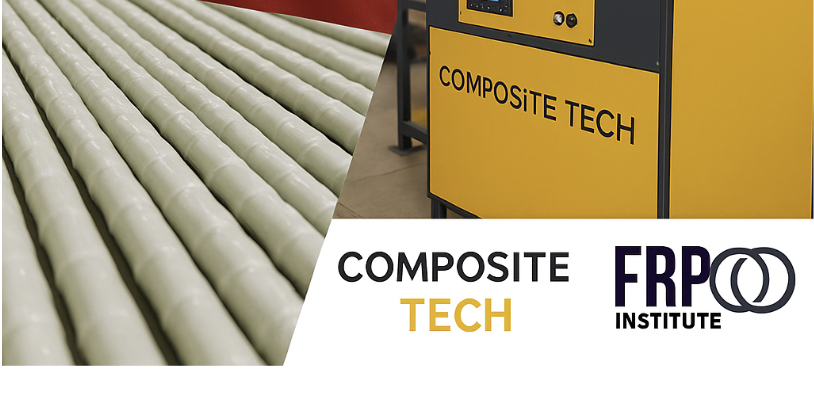
2025 में, कम्पोजिट-टेक और एफआरपी इंस्टीट्यूट ने रणनीतिक साझेदारी की घोषणा की इसका उद्देश्य एफआरपी गुणवत्ता के लिए वैश्विक मानक निर्धारित करना है।
इस समझौते के बाजार पर कई महत्वपूर्ण प्रभाव होंगे:
- मशीन से उत्पाद तक एकीकृत गुणवत्ता प्रणाली।
एफआरपी संस्थान के विशेषज्ञ कम्पोजिट-टेक प्रक्रिया मापदंडों और अनुशंसित क्यूए प्रक्रियाओं को निर्माता ऑडिट और डीओटी मूल्यांकन में उपयोग किए जाने वाले समान मानदंडों के साथ संरेखित करने में मदद करते हैं। - नये संयंत्रों के लिए प्रमाणीकरण का तीव्र मार्ग।
कम्पोजिट-टेक लाइनों का उपयोग करने वाले उत्पादक पहले दिन से ही एफआरपी संस्थान की ऑडिट आवश्यकताओं के अनुसार अपनी गुणवत्ता योजनाएँ तैयार कर सकते हैं। इससे डीओटी कार्यक्रमों में "पहले उत्पादित बार" से "अनुमोदित आपूर्तिकर्ता सूची में सूचीबद्ध" होने तक की समय-सीमा कम हो जाती है। - अपेक्षाओं का वैश्विक सामंजस्य।
पहली बार, उपकरण निर्माता, एफआरपी उत्पादक और सार्वजनिक एजेंसियां, प्रत्येक क्षेत्र द्वारा अपने स्वयं के मानकों और परीक्षण प्रोटोकॉल को पुनः निर्मित करने के बजाय, प्रदर्शन मानकों और परीक्षण प्रोटोकॉल के साझा सेट के आधार पर काम कर सकती हैं।
एफआरपी संस्थान के अपने शब्दों में, यह सहयोग "एक ऐतिहासिक कदम है" क्योंकि यह सक्षम बनाता है गुणवत्ता नियंत्रण, परीक्षण और प्रमाणन की एक एकीकृत प्रणाली दुनिया भर में एफआरपी सुदृढ़ीकरण के लिए।
व्यवहार में “वैश्विक मानक” का क्या अर्थ है
किसी चीज़ को "वैश्विक मानक" कहना तभी मायने रखता है जब वह वास्तविक परियोजनाओं में दिखाई दे। यहाँ देखें कि ज़मीनी स्तर पर यह कैसा दिखता है।
डीओटी-रेडी एफआरपी उत्पाद
एफआरपी संस्थान के लेखापरीक्षित और प्रमाणित सदस्य इसमें वे कंपनियां शामिल हैं जो पहले से ही उत्तरी अमेरिका में प्रमुख डीओटी और बुनियादी ढांचा परियोजनाओं के लिए एफआरपी सुदृढीकरण की आपूर्ति करती हैं।
इन उत्पादों का उपयोग निम्नलिखित में किया जाता है:
- राजमार्ग पुल और डेक,
- समुद्री और तटीय संरचनाएँ,
- अपशिष्ट जल उपचार संयंत्रों,
- उच्च-वोल्टेज सबस्टेशन और रेल प्लेटफार्म,
सभी अनुप्रयोग जहां संक्षारण प्रतिरोध और लंबी सेवा जीवन महत्वपूर्ण प्राथमिकताएं हैं।
मालिकों के लिए, एफआरपी संस्थान चिह्न यह संकेत देता है कि उत्पाद ने सुसंगत सामग्री परीक्षण पास कर लिया है और संयंत्र का AASHTO/NTPEP-संरेखित कार्यक्रम के अनुसार ऑडिट किया गया है।
100 साल के बुनियादी ढांचे के लिए निर्मित मशीनें
कम्पोजिट-टेक के ग्राहक आमतौर पर लक्ष्य करते हैं 50-100 साल का डिज़ाइन जीवन पुलों, पार्किंग संरचनाओं और औद्योगिक स्लैबों के लिए - वही क्षितिज जिसे कई एफआरपी रिबार आपूर्तिकर्ताओं और शोध पत्रों द्वारा उजागर किया गया है।
संयोजन द्वारा:
- उचित ग्लास सामग्री,
- पूरी तरह से ठीक राल प्रणाली,
- स्थिर रिब ज्यामिति, और
- प्रलेखित QA प्रक्रियाएं,
इन लाइनों पर उत्पादित बार को मिलान करने के लिए डिज़ाइन किया जा सकता है उच्च-तन्यता, संक्षारण-मुक्त प्रदर्शन जिसे एफआरपी संस्थान और एएएसएचटीओ विनिर्देश मानते हैं।
इंजीनियरों के लिए इसका मतलब है कम अनिश्चितता कोड की आवश्यकता और उत्पादन लाइन से वास्तव में जो आता है, उसके बीच का अंतर।
निर्माताओं, इंजीनियरों और मालिकों के लिए यह क्यों महत्वपूर्ण है?
एफआरपी निर्माताओं के लिए
- ए स्पष्ट रोडमैप: एसीआई/एएसटीएम अनुपालन के लिए डिज़ाइन किए गए उपकरणों का चयन करें, एफआरपी इंस्टीट्यूट द्वारा अनुशंसित गुणवत्ता आश्वासन योजना को लागू करें, फिर सुविधा ऑडिट और डीओटी कार्यक्रमों में सूचीबद्ध होने की प्रक्रिया को आगे बढ़ाएं।
- आसान अंतर्राष्ट्रीय विस्तार: एक बार ऑडिट हो जाने के बाद, निर्माता प्रत्येक नए क्षेत्र में प्रक्रिया को फिर से शुरू करने के बजाय, एकाधिक एजेंसियों और इंजीनियरिंग फर्मों को एक ही मान्यता प्राप्त प्रमाण-पत्र प्रस्तुत कर सकते हैं।
परामर्शदाता इंजीनियरों के लिए
- एफआरपी को निर्दिष्ट करने में अधिक विश्वास: ऑडिट किए गए संयंत्र और मानकीकृत परीक्षण डेटा महत्वपूर्ण परियोजनाओं पर "अज्ञात" सामग्रियों के जोखिम को कम करते हैं।
- सरल पूर्व-अनुमोदन: दर्जनों भिन्न-भिन्न डेटा सेटों का मूल्यांकन करने के बजाय, इंजीनियर योग्य आपूर्तिकर्ताओं के लिए एक फ़िल्टर के रूप में एफआरपी इंस्टीट्यूट के ढांचे पर भरोसा कर सकते हैं।
सार्वजनिक स्वामियों और निजी डेवलपर्स के लिए
- कम जीवन चक्र जोखिम. जब उत्पाद और उत्पादन प्रक्रिया दोनों एक ही स्वतंत्र मानक के अनुरूप हों, तो दीर्घकालिक प्रदर्शन अधिक पूर्वानुमान योग्य हो जाता है।
- अधिक प्रतिस्पर्धी बोली. एक साझा मानक कई प्रमाणित आपूर्तिकर्ताओं को गुणवत्ता से समझौता किए बिना निष्पक्ष रूप से प्रतिस्पर्धा करने की अनुमति देता है।
संक्षेप में, जब मशीनें, मानक और ऑडिट सभी एक ही भाषा बोलते हैं, इसलिए एफआरपी पर भरोसा करना आसान हो जाता है - और निर्दिष्ट करना भी आसान हो जाता है।
कम्पोजिट-टेक और एफआरपी संस्थान पारिस्थितिकी तंत्र से कैसे जुड़ें
एफआरपी सुदृढ़ीकरण में प्रवेश करने या विस्तार करने की योजना बनाने वाली कंपनियों के लिए, व्यावहारिक क्रम इस प्रकार है:
- मानक-तैयार उपकरण का चयन करें।
एसीआई 440.11-22, एएसटीएम डी7957 और एफआरपी संस्थान ऑडिट मानदंडों को पूरा करने के लिए डिज़ाइन की गई उत्पादन लाइनें चुनें - उदाहरण के लिए, स्वचालित प्रक्रिया नियंत्रण और प्रलेखित क्यूए प्रक्रियाओं के साथ एक कम्पोजिट-टेक जीएफआरपी रिबार या मेश लाइन। - अपने QA सिस्टम को FRP इंस्टीट्यूट की आवश्यकताओं के अनुसार डिजाइन करें।
संयंत्र प्रक्रियाएं, नमूना योजनाएं और परीक्षण अनुसूचियां बनाएं जो संस्थान के सामग्री सत्यापन और सुविधा लेखा परीक्षा कार्यक्रमों को प्रतिबिंबित करें। - एफआरपी संस्थान में सदस्य के रूप में शामिल हों।
नवीनतम शोध, DOT-स्वीकृत ऑडिट, शैक्षिक सेमिनार और AASHTO समितियों में प्रतिनिधित्व तक पहुंच का लाभ उठाएं। - प्रमाणीकरण और डीओटी सूचीकरण का प्रयास करें।
एक बार संयंत्र तैयार हो जाए, तो एफआरपी संस्थान ऑडिट निर्धारित करें और एनटीपीईपी और एफआरपी संस्थान प्रलेखन का लाभ उठाते हुए, योग्य उत्पाद सूची (क्यूपीएल/एमपीएल) में शामिल करने के लिए स्थानीय एजेंसियों के साथ काम करें।
इस संयोजन के साथ, एक एफआरपी स्टार्टअप अवधारणा से लेकर बिक्री तक की प्रक्रिया को आगे बढ़ा सकता है। विश्व स्तर पर मान्यता प्राप्त आपूर्तिकर्ता यदि वह प्रत्येक मानक की अकेले व्याख्या करने का प्रयास करता तो यह कहीं अधिक कुशलतापूर्वक होता।
निष्कर्ष: अगले 100 वर्षों के लिए मानक स्थापित करना
गैर-संक्षारक, हल्के और लंबे समय तक चलने वाले सुदृढीकरण की ओर वैश्विक बदलाव पहले से ही चल रहा है। बाज़ार के पूर्वानुमान, दूरसंचार विभाग की पहल और उच्च-स्तरीय पुल परियोजनाएँ, सभी एक ही दिशा में इशारा कर रहे हैं: एफआरपी अब प्रायोगिक नहीं रह गया है - यह एक नया डिफ़ॉल्ट बन रहा है।
इस उद्योग को अब स्पष्टता और विश्वास की जरूरत है।
संयोजन करके एफआरपी इंस्टीट्यूट का स्वतंत्र ऑडिट और प्रमाणन ढांचा साथ कंपोजिट-टेक की मानक-अनुकूल उत्पादन तकनीकये दोनों संगठन प्रभावी रूप से यह परिभाषित कर रहे हैं कि "अच्छी एफआरपी" का अर्थ क्या है - सिद्धांत में नहीं, बल्कि रोजमर्रा के व्यवहार में:
- लगातार उच्च प्रदर्शन वाले बार और मेश के लिए डिज़ाइन की गई मशीनें।
- डीओटी और एएएसएचटीओ कार्यक्रमों द्वारा मान्यता प्राप्त ऑडिट और सामग्री सत्यापन।
- प्रमाणित उत्पादकों का एक बढ़ता हुआ नेटवर्क जो कई महाद्वीपों में 100 साल के बुनियादी ढांचे की आपूर्ति करता है।
एफआरपी निर्माताओं, इंजीनियरों और परियोजना मालिकों के लिए संदेश सरल है:
यदि आप चाहते हैं कि आपका सुदृढ़ीकरण कल की बुनियादी संरचना की अपेक्षाओं को पूरा करे, जहां आज वैश्विक मानक लिखे जा रहे हैं, वहां से शुरुआत करें - कम्पोजिट-टेक और एफआरपी इंस्टीट्यूट के साथ।